

Can toys really hold value like stocks or real estate? It might surprise some, but certain toys are gaining recognition as credible investment assets. As collectibles, they offer a unique blend of nostalgia and capital growth, with value affected by factors like rarity, condition, and pop culture relevance. This explores why toys, once just playthings, have become sought-after investments. By understanding these dynamics, you too can appreciate how tactical selections in collectible toys can potentially enhance your investment portfolio, bringing both joy and financial returns.
Understanding Toys That Hold Value
Investing in toys has emerged as a promising alternative asset class, attracting collectors and investors alike. Toys that hold value share similarities with traditional investments such as real estate and stocks. Their worth is often dictated by rarity, condition, pop culture relevance, and market demand. The allure of collectible toys lies in their potential to appreciate over time, driven by nostalgic and cultural ties. Rarity is a primary factor; toys produced in limited quantities or discontinued lines often command higher prices. Limited editions and exclusive releases are particularly sought after, as they offer collectors a unique opportunity to own a piece of history.
The condition of a toy, especially if it's mint and in original packaging, significantly impacts its market value. Collectors prioritize items that maintain their original appearance, as these are perceived to retain authenticity and appeal. Pop culture influence is another pivotal aspect, with toys associated with popular franchises like Disney, Marvel, and Star Wars often experiencing value growth. Market demand plays a crucial role; even rare toys may not achieve high prices without interested buyers. Conversely, high demand can elevate the value of otherwise common items. Understanding these dynamics is essential for those considering investing in toys as a viable financial strategy.
-
Rarity
-
Limited Editions
-
Condition and Packaging
-
Pop Culture Influence
-
Market Demand
-
Historical Significance
Top Collectible Toys for Investment
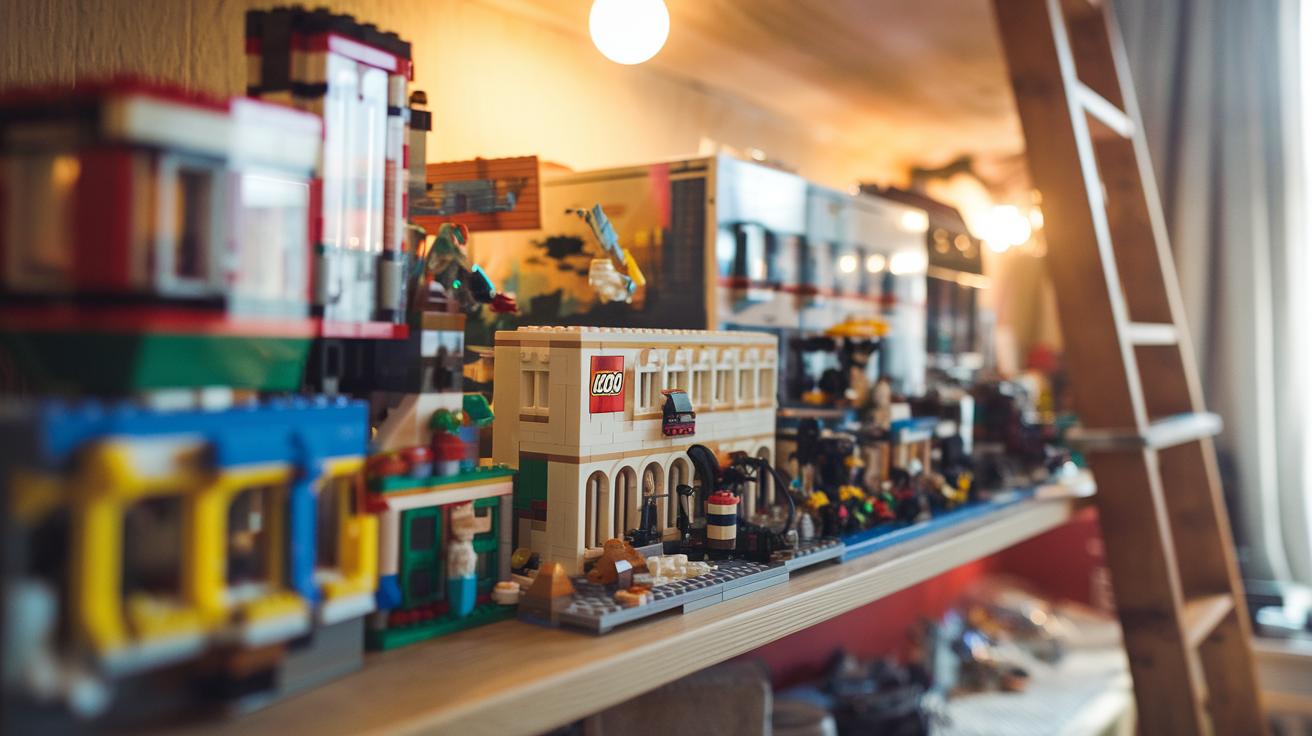
Collectible toys are increasingly recognized as a top investment choice due to their potential to appreciate over time. Investors are drawn to specific categories known for value retention and growth, including LEGO sets, Hot Wheels, Barbie dolls, Star Wars action figures, and more. Each category has its unique appeal, often tied to nostalgia, cultural impact, or rarity, making them attractive for both collectors and investors seeking profitable returns.
LEGO sets, particularly those that are rare or part of limited editions, consistently demonstrate strong market performance. Notable examples include the LEGO Star Wars Ultimate Collector's Series, which has shown substantial appreciation. Hot Wheels are another category that attracts investors, with the 1969 Pink Rear-Loading Beach Bomb being one of the most valuable, illustrating the significance of rarity and condition. Barbie dolls, especially the early editions like the #1 Ponytail blond Barbie, are coveted for their historical significance and iconic status, fetching impressive sums at auctions.
Star Wars action figures, such as the Rocket Firing Boba Fett, exemplify the intersection of pop culture relevance and collectible value. These figures often appreciate due to their association with a globally beloved franchise. G.I. Joe figures also hold a special place in the collectible market, with early models commanding high prices. Quality dolls and teddy bears, vintage board games, and Pokémon cards round out the list of top collectible toys, each bringing unique attributes to the investment landscape. Their proven track record in auctions and private sales underscores the potential for significant financial returns.
<Toy Category|Example|High-Value Sale>
|—|—|—|
LEGO Sets|Star Wars Ultimate Collector's Series|Substantial appreciation|
Hot Wheels|1969 Pink Rear-Loading Beach Bomb|Over $70,000|
Barbie Dolls|#1 Ponytail blond Barbie|$27,450|
Star Wars Action Figures|Rocket Firing Boba Fett|$185,850|
G.I. Joe Figures|Early models|Up to thousands|
Quality Dolls & Teddy Bears|Steiff Teddy Bears|Significant sums|
Vintage Board Games|Monopoly by Charles Darrow|$146,500|
Pokémon Cards|First Edition Charizard|Almost $12,500|
Assessing the Condition and Market Trends of Toys
The condition of a toy is a critical determinant of its resale value. What is the most important aspect of a toy's condition? Mint condition and original packaging. Toys that are well-preserved and retain their original packaging often command premium prices in the market. The absence of wear and tear, and the presence of original packaging, can significantly enhance a toy's appeal to collectors and investors. This is because mint-in-box items are perceived as more authentic and desirable, contributing to a higher market evaluation.
What role does market demand play in toy resale value? It is pivotal. High demand can elevate the value of even less rare items, while rare toys can struggle to sell without sufficient interest. Market demand is influenced by several factors, including cultural trends and consumer interests. For instance, LEGO sets are a prime example of a toy category that maintains strong resale value due to ongoing demand and cultural significance. These sets often appreciate over time, driven by both rarity and enduring popularity.
-
Popular franchises
-
Nostalgia-driven purchases
-
Limited re-releases
-
Online marketplace dynamics
-
Seasonal demand fluctuations
Understanding current market trends is essential for assessing toy resale value. Popular franchises, such as Disney, Marvel, and Star Wars, continue to drive high demand and influence market prices. Nostalgia-driven purchases are another trend, as collectors seek toys from their childhood, creating a steady demand for vintage items. Limited re-releases can also spur interest, temporarily inflating prices. The online marketplace has become a dynamic environment for buying and selling toys, with platforms like eBay and specialized auction sites facilitating global trade. Seasonal demand fluctuations, particularly around the holiday season, can also impact toy prices, with certain items becoming more sought after and, consequently, more valuable.
Valuable Vintage and Antique Toys
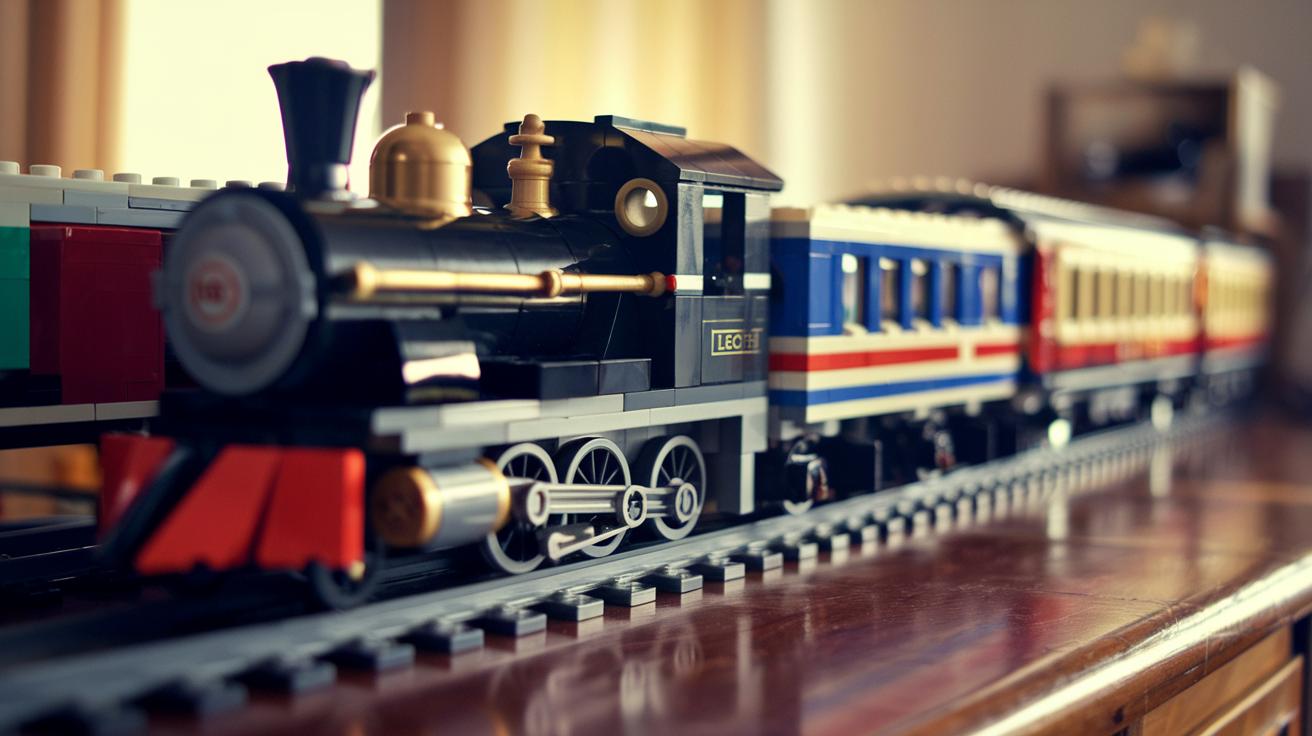
What makes vintage and antique toys appealing to collectors? Their historical significance and nostalgia. Collectors are often drawn to these toys because they represent a tangible connection to the past, evoking memories and reflecting the cultural zeitgeist of their era. The rarity and age of these items enhance their allure, as they are often scarce due to limited production runs and the passage of time. This scarcity, coupled with the nostalgia factor, often results in a high collectible value. For many, owning a piece of history, such as a vintage toy, is both a sentimental and financial investment.
Specific examples of valuable vintage toys highlight their significant appreciation over time. Vintage LEGO train sets from the 1960s and 1970s, particularly those with unique features like a 4.5-volt motor, are highly coveted and can fetch several thousand dollars. Monopoly sets from the 1930s, especially those hand-crafted by Charles Darrow, are prized for their historical value and have been known to reach tens of thousands of dollars in auctions. View-Master models from the 1940s and 1950s, complete with original reels, appeal to collectors due to their iconic status and can sell for hundreds of dollars. Original Barbie dolls from 1959, with their classic design, are another prime example; their enduring popularity and cultural impact make them a staple in the world of valuable collectibles.
- LEGO Trains (1960s-1970s)
- Monopoly Sets (1930s)
- View-Master Models (1940s-1950s)
- Original Barbie Dolls (1959)
Navigating the Toy Collecting Community
What role does the toy collecting community play in the valuation and trading of toys? The community is instrumental in establishing toy value and facilitating trades or sales. Enthusiasts and experts alike contribute to a shared knowledge base, offering insights into the worth of various collectibles. This collective expertise helps set market benchmarks and provides a platform for collectors to engage in buying, selling, and trading. Engaging with the community, whether through online forums or social media, allows collectors to stay informed about market trends and emerging opportunities.
Why are grading and certification essential for serious collectors? They are critical for ensuring a toy's authenticity and determining its market value. Grading provides a standardized assessment of an item's condition, influencing its appeal and price. Certification serves as proof of authenticity, offering reassurance to potential buyers. Participating in toy auctions also presents opportunities to acquire rare items, often with certificates of authenticity. For collectors aiming to build a valuable collection, understanding these processes is crucial.
-
Joining forums and social media groups
-
Attending toy conventions and auctions
-
Understanding grading and certification processes
Final Words
Understanding toys as viable investments requires recognizing the key factors that influence their value. Concepts like rarity, pop culture influence, and market demand are paramount. Insight into top collectible categories such as LEGO sets and Pokémon cards offers a tangible pathway for collectors and investors.
Examining vintage toy appreciation illustrates historical significance as a factor in their worth. Engaging with the community and understanding grading and certification processes enhances collecting strategies. Toys that hold value not only provide nostalgia but offer financial growth potential, making them a dynamic alternative investment opportunity.
FAQ
Q: What are some rare old toys worth millions?
A: Rare vintage toys such as early Star Wars figures, original Transformers, and antique LEGO sets often fetch high prices, sometimes in the millions, especially when in excellent condition with original packaging.
Q: What toys are currently worth collecting for potential investment?
A: Toys with investment potential include limited-edition LEGO sets, Hot Wheels, Star Wars figures, and nostalgic franchises like Pokémon cards, which tend to retain or appreciate in value.
Q: Which are the most valuable toys from the 2000s?
A: Notable valuable toys from the 2000s include limited-edition Star Wars action figures and rare LEGO sets, often appreciating due to their cultural significance and scarcity.
Q: What makes a toy worth investing in now?
A: Toys currently worth investing in are often limited editions with strong pop culture ties, mint conditions, and rising demand, such as collectible action figures and well-maintained vintage items.
Q: What are some examples of collectible toys that yield a profit?
A: High-yield collectibles include Barbies, G.I. Joe figures, vintage board games, and Pokémon cards, known for significant appreciation and demand in the collector's market.
Q: What is the most profitable collectible toy category?
A: The most profitable categories often include limited-edition Star Wars memorabilia and rare LEGO sets, offering substantial returns due to high collector demand and rarity.
Q: Why do vintage 80s toys hold value?
A: Vintage 80s toys retain value due to their nostalgic appeal, rarity, and association with popular franchises, making them highly sought after by collectors.
Q: What are the rarest toys in the world today?
A: The rarest toys include exclusive prototypes, limited-run action figures like Rocket Firing Boba Fett, and original edition items, often valued for their scarcity and collector interest.
Q: How does the condition of a toy affect its value?
A: The toy's condition, especially mint in original packaging, crucially affects market value. Well-preserved toys can command significantly higher prices compared to those with wear or missing components.
Q: What market trends influence toy resale value?
A: Toy resale value is influenced by trends such as franchise popularity, nostalgic purchases, limited re-releases, market dynamics, and seasonal demand.
Q: How do vintage toys maintain their value over time?
A: Vintage toys maintain value through historical significance, high-quality construction, brand reputation, and sustained collector interest, often tied to cultural milestones.
Q: How can one engage with the toy collecting community?
A: Engage by joining forums, attending conventions, participating in auctions, and understanding grading processes to enhance knowledge and facilitate trades or sales.