

Is humanity ready to brave the journey to Mars, or are the risks overwhelming? The prospect of venturing into this uncharted frontier presents formidable challenges. With astronauts poised to face extreme dangers during the trip and on the Red Planet, the feasibility of human survival remains a contentious issue. Understanding the environmental and physiological hurdles associated with such deep space exploration is crucial. This article delves into the critical aspects of Mars colonization, dissecting space travel challenges and technical innovations necessary to overcome them. Aspiring spacefarers and enthusiasts alike must grasp the complexities involved in this monumental endeavor.
Can Humans Survive a Mars Trip? Exploring the Possibilities
Astronauts embarking on a mission to Mars encounter numerous perils. The journey entails prolonged exposure to microgravity, which adversely affects bone density and muscle strength. The absence of Earth's magnetic field subjects them to harmful cosmic radiation, significantly elevating cancer risks. Furthermore, the psychological toll of isolation and confinement during the months-long voyage cannot be understated. Each of these factors contributes to the considerable dangers astronauts face on a Mars mission.
Upon reaching Mars, the challenges intensify. The Martian environment is harsh, with temperatures plummeting to -100°C and a thin atmosphere composed mostly of carbon dioxide. This extreme climate necessitates robust life support systems to provide oxygen, water, and food. Physiologically, the human body must adapt to Mars' gravity, which is only about a third of Earth's. The combination of these environmental and physiological challenges underscores the complexity of human survival on Mars.
Advancements in space technology offer promising solutions to these obstacles. Future spacecraft designs may include advanced shielding to mitigate radiation exposure. Innovations in life support systems, such as NASA's experimentation with oxygen extraction from carbon dioxide, are vital for sustaining long-term missions. Additionally, artificial gravity machines and psychological support protocols are being developed to address the physical and mental health challenges of space travel. These technological strides are crucial in improving the feasibility of a human trip to Mars.
Space Travel Challenges: Radiation Exposure and Health Risks

In space, astronauts are deprived of Earth's natural defenses, such as the atmosphere and magnetic field, which shield against harmful ultraviolet and ionizing radiation. These protections are crucial on Earth, as they block or deflect the majority of cosmic rays and solar particles. Without them, astronauts face significant radiation exposure, a primary concern during space travel. This exposure can contribute to a variety of health risks, making it a critical factor to address for the feasibility of a Mars trip.
- Increased Cancer Risk: Prolonged exposure to cosmic radiation elevates the probability of developing cancer, as radiation can cause DNA damage and mutations.
- Central Nervous System Effects: Radiation can lead to neurocognitive impairments, potentially affecting memory, mood, and decision-making abilities.
- Acute Radiation Sickness: High doses of radiation over a short period can cause nausea, vomiting, fatigue, and increased infection susceptibility.
- Degenerative Tissue Damage: Radiation exposure can lead to cardiovascular problems and other degenerative diseases over time.
- Reproductive Health Concerns: Radiation can impact fertility and increase the risk of heritable genetic damage.
Developing advanced shielding technologies is imperative to mitigate these risks. Current research focuses on materials that can effectively absorb or deflect harmful radiation, reducing the exposure astronauts face on extended missions. Innovations like hydrogen-rich materials and magnetic shielding are being explored to enhance spacecraft protection. These advancements are essential in ensuring astronaut health and safety during deep space travel, particularly for missions to Mars, where the journey and stay expose crews to prolonged periods of radiation.
Life Support Systems and Sustainability in Space
What are the essentials of life support systems for Mars missions? The essentials include a continuous supply of oxygen, water, and food to sustain astronauts over extended periods. These systems must be highly reliable and efficient, given the absence of resupply opportunities. Oxygen generation is critical, as Mars' atmosphere is composed predominantly of carbon dioxide. Water recycling and waste management technologies are equally vital to minimize resource consumption and extend mission duration.
How is NASA advancing oxygen generation in space? NASA's Perseverance rover is at the forefront of experimentation with oxygen extraction, utilizing a device known as MOXIE (Mars Oxygen In-Situ Resource Utilization Experiment). MOXIE converts carbon dioxide from the Martian atmosphere into oxygen, demonstrating a pivotal technology for future missions. This capability is essential for both life support and potential rocket fuel production, paving the way for sustainable human presence on Mars.
What are potential solutions for ensuring habitat sustainability using Martian resources? Habitat sustainability on Mars involves leveraging in-situ resources to reduce dependency on Earth-supplied materials. Technologies such as 3D printing using Martian regolith can construct shelters, while hydroponic and aeroponic systems can grow food with minimal water. The integration of these technologies into life support systems enhances self-sufficiency and long-term viability, making Mars missions more feasible and sustainable.
Psychological Effects of Long-Duration Space Missions
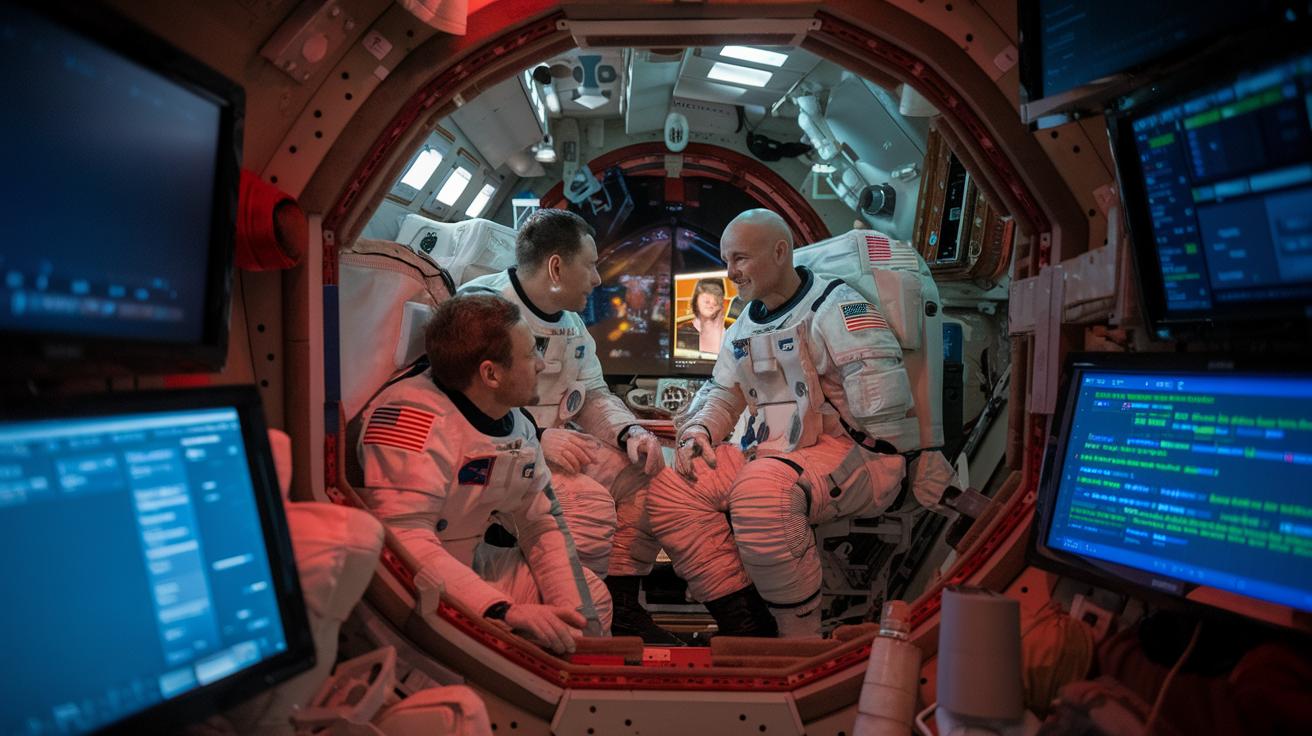
Why is psychological preparedness vital for space missions? Psychological preparedness is crucial because the mental health challenges of long-duration space travel can significantly impact mission success. Astronauts face isolation, confinement, and stress, which can lead to deteriorating mental health and reduced cognitive performance. Ensuring that crew members are psychologically prepared helps mitigate these risks and enhances overall mission effectiveness.
| Experiment | Purpose |
|---|---|
| Mars500 | Simulated the psychological effects of long-duration space travel by confining participants in a sealed environment for 520 days. |
| HI-SEAS | Investigated the psychological and social dynamics of crew members living in isolated conditions on a simulated Mars base. |
| NEEMO | Examined the psychological and operational effects of living and working underwater as an analog for space missions. |
How can mental health support strategies aid astronauts? Mental health support strategies are essential for maintaining astronaut well-being during extended missions. These strategies include pre-mission psychological training, continuous mental health monitoring, and providing access to mental health professionals. Incorporating team-building exercises and virtual communication with loved ones can also alleviate feelings of isolation and confinement. By implementing these measures, space agencies aim to ensure astronauts’ psychological resilience, thus improving the likelihood of mission success.
Technological Innovations in Space Exploration
Technological innovation plays a pivotal role in tackling the myriad challenges posed by space exploration. A Mars mission necessitates overcoming obstacles such as radiation exposure, limited resources, and propulsion inefficiencies. Advanced technologies are indispensable for ensuring the safety and success of such missions. By enhancing shielding materials, improving life support systems, and developing efficient propulsion technologies, space agencies aim to mitigate risks and extend mission viability. The integration of cutting-edge technology into spacecraft design is not merely beneficial but essential for the sustainability of human exploration beyond Earth.
-
Advanced Rocket Propulsion: The development of propulsion systems like ion thrusters and nuclear thermal propulsion aims to reduce travel time and increase fuel efficiency.
-
Spacecraft Shielding Materials: Innovations in materials science are leading to the creation of hydrogen-rich and composite materials that better protect astronauts from cosmic radiation.
-
Life Support Systems: Enhanced life support technologies focus on closed-loop systems that recycle air and water, minimizing the need for resupply from Earth.
-
Space Farming: Techniques such as hydroponics and aeroponics allow for sustainable food production in space, reducing dependency on Earth-supplied provisions.
-
3D Printing: The use of 3D printing technology enables the in-situ manufacturing of tools and components, utilizing local materials like Martian regolith.
-
Artificial Gravity Machines: Emerging technologies aim to simulate gravity aboard spacecraft, addressing health issues associated with prolonged microgravity exposure.
Looking ahead, the future of propulsion and shielding technology is promising. Researchers are exploring breakthrough propulsion methods, such as antimatter and fusion propulsion, which could revolutionize space travel by drastically shortening travel times. Concurrently, advancements in nanotechnology and magnetic shielding offer potential for enhancing radiation protection. These technological advances are pivotal in paving the way for sustainable human presence on Mars and beyond, transforming the theoretical feasibility of interplanetary travel into tangible reality.
Mars Surface Conditions and Human Adaptability
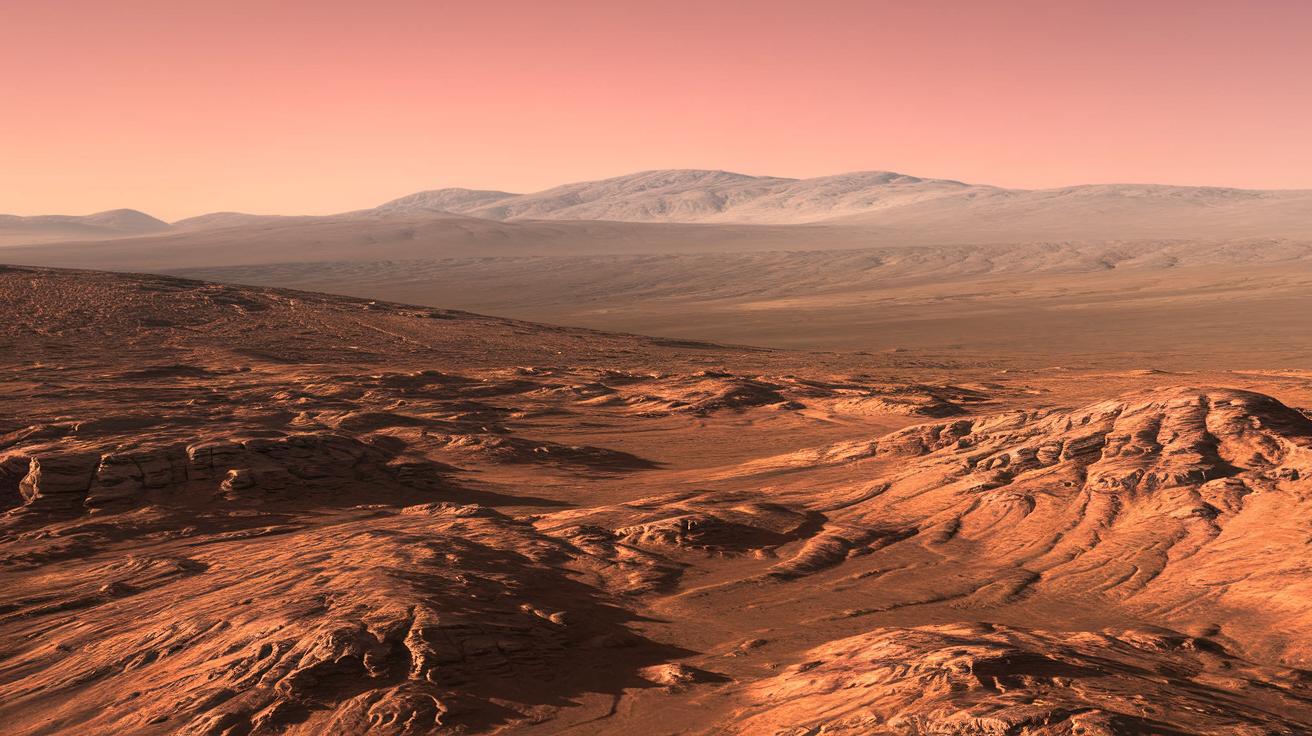
Mars presents an array of extreme surface conditions that pose significant challenges for human survival. The planet's atmosphere is composed predominantly of carbon dioxide, contributing to its thinness and inability to support human respiration. Temperatures on Mars can drop to as low as -100°C, creating a frigid environment that requires robust insulation and heating systems for any human habitats. The surface is also subjected to high levels of radiation due to the lack of a protective magnetic field, necessitating advanced shielding technologies to protect against potential health hazards. Additionally, Mars' gravity is approximately one-third of Earth's, which could have long-term effects on human physiology, such as muscle atrophy and bone density loss.
| Condition | Challenge |
|---|---|
| Thin Atmosphere | Inability to breathe and pressure differences |
| Low Temperatures | Need for advanced heating and thermal insulation |
| High Radiation | Increased cancer risk and cellular damage |
Human adaptability to these Martian conditions requires significant technological and physiological adjustments. To address the atmospheric challenges, life support systems must efficiently generate oxygen and maintain pressure within habitats. For thermal regulation, habitats need to incorporate advanced materials capable of withstanding extreme temperature fluctuations. Radiation protection involves both passive and active shielding solutions, including the use of hydrogen-rich materials and potential underground habitats to mitigate exposure. The reduced gravity environment necessitates tailored exercise regimens and medical interventions to counteract muscle and bone deterioration. Adapting to Mars involves a comprehensive approach that integrates technology with human resilience to ensure survival in this inhospitable environment.
Resource Utilization and Sustainability on Mars
How significant are water discoveries on Mars for human survival? Water discoveries on Mars are crucial as they provide the potential for supporting human life by offering resources for drinking, growing crops, and even producing fuel. The presence of water, whether in the form of subsurface ice or briny surface flows, represents a key enabler for sustained human habitation. It allows for the possibility of creating a closed-loop ecosystem where water can be recycled and reused, minimizing the dependency on Earth-based supplies and enhancing the sustainability of a Mars colony.
-
Water Recycling Systems: Implementing closed-loop systems to purify and reuse water for drinking and agricultural purposes.
-
Regolith Farming: Utilizing Martian soil (regolith) to cultivate crops by enriching it with nutrients and using hydroponic systems.
-
In-Situ Resource Utilization (ISRU): Extracting water from Martian ice or hydrated minerals for various needs, including oxygen and hydrogen production.
-
Fuel Production: Using electrolysis to split water into hydrogen and oxygen, providing rocket fuel and supporting return missions.
-
Solar Energy Harvesting: Harnessing solar power to drive water extraction and recycling processes, ensuring energy sustainability.
How important is sustainable waste management on Mars? Sustainable waste management is critical on Mars due to the limited resources and the need to maintain a habitable environment. Effective waste management strategies involve recycling waste materials into useful resources, such as converting organic waste into fertilizer for crops or repurposing non-organic materials for construction. By managing waste sustainably, Mars missions can reduce their ecological footprint, conserve resources, and support long-term human habitation on the planet.
Mars Mission Planning and Return Trip Logistics
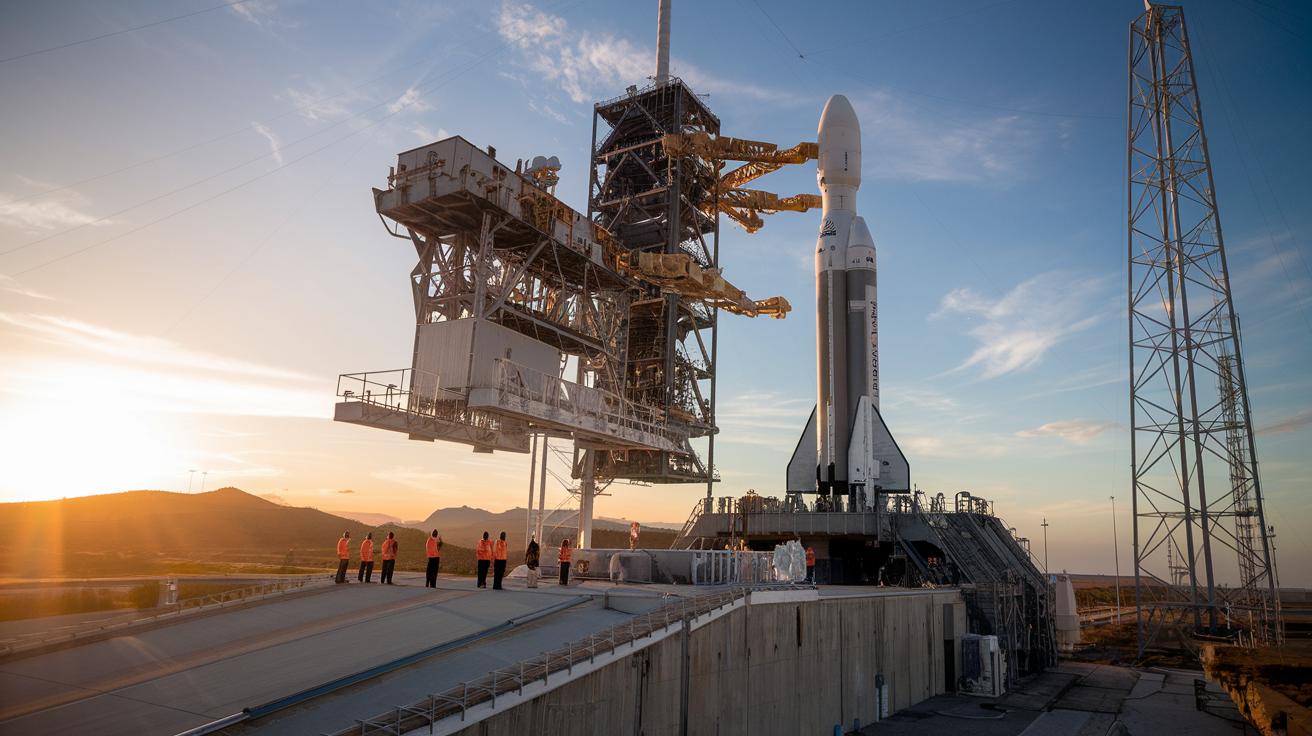
Mars mission planning involves intricate logistical challenges that require meticulous coordination and advanced technological solutions. What are the key components of space mission planning? Precision in launch timing, trajectory calculations, and payload management are critical to ensure a successful Mars mission. Launching a spacecraft capable of carrying approximately 50 tons of people and supplies demands the use of rockets with over 10 million pounds of thrust, a feat that underscores the complexity and scale of such an endeavor. The journey to Mars orbit itself spans about eight months, necessitating careful planning to synchronize with optimal planetary alignment and minimize travel time.
- Launch Window Optimization: Identifying the most efficient launch windows based on planetary alignment to reduce travel time and fuel consumption.
- Payload Management: Ensuring that all necessary equipment, supplies, and personnel are efficiently loaded and secured for the journey.
- Trajectory Planning: Calculating precise flight paths that utilize gravitational assists and other maneuvers to conserve fuel and ensure a safe arrival.
- Return Trip Strategy: Developing plans for efficient re-entry into Earth's atmosphere and safe landing, factoring in fuel reserves and spacecraft integrity.
The challenges of long-duration interplanetary travel extend beyond the technical aspects of reaching Mars. How do these challenges affect mission planning? Astronauts must be prepared for the psychological and physical demands of extended space travel. The isolation and confinement experienced on such missions necessitate robust support systems to maintain mental health and crew cohesion. Furthermore, the return trip logistics require foresight in resource allocation, ensuring that enough fuel and supplies are available for the journey back to Earth. Addressing these challenges is essential to the overall success and safety of a Mars mission, emphasizing the need for comprehensive planning and innovative solutions in the realm of interplanetary travel logistics.
International Collaboration and the Future of Mars Missions
Global partnerships are crucial in addressing the vast challenges associated with human missions to Mars. High precision answer: Collaborative efforts are indispensable for overcoming the technological, logistical, and financial obstacles that a Mars mission presents. Space agencies and private companies around the world are pooling resources and expertise to develop strategies that ensure the feasibility and success of such missions. This cooperation not only accelerates technological advancements but also distributes the immense costs and risks involved, making Mars exploration a more viable endeavor for all parties involved.
| Agency/Company | Contribution |
|---|---|
| NASA | Provides technological expertise and leadership in mission planning and execution. |
| ESA (European Space Agency) | Contributes advanced spacecraft technology and collaborative research efforts. |
| SpaceX | Develops cost-effective launch systems and aims for sustainable Mars colonization. |
Future collaborative efforts and investments in Mars exploration are set to expand as more countries and companies recognize the potential benefits of interplanetary travel. High precision answer: These collaborations will likely lead to joint missions, shared technology development, and coordinated research initiatives. As global investments in space travel increase, the pooling of resources and knowledge will be instrumental in tackling the multifaceted challenges of Mars colonization. Inter-agency cooperation will continue to play a pivotal role in realizing the dream of a sustained human presence on Mars.
Ethical and Governance Considerations in Mars Colonization

What are the primary ethical concerns in space colonization? High precision answer: Ethical concerns in space colonization include the potential exploitation of planetary resources, the impact on any existing Martian environment, and the implications for future human generations. The ethical debate centers around whether humanity has the right to alter another planet's ecosystem for its survival and advancement. The potential discovery of microbial life on Mars further complicates these ethical issues, as it raises questions about the preservation of extraterrestrial life forms. Additionally, considerations related to the equitable distribution of space resources and the potential socio-economic disparities that could arise from Mars colonization are pivotal in shaping ethical frameworks.
What governance frameworks are being considered for Mars colonization, and what are the ongoing debates regarding Mars terraforming? High precision answer: Governance frameworks for Mars colonization are being developed through international treaties and collaborations, such as the Outer Space Treaty, which emphasizes the peaceful use of outer space and prohibits national appropriation. However, these frameworks must evolve to address the complexities of Mars colonization, including resource allocation, environmental protection, and the rights of potential settlers. The debate on Mars terraforming involves discussions on the environmental impact of altering the Martian climate and landscape to suit human needs. Critics argue that terraforming could irreversibly damage Mars' natural state, while proponents believe it is necessary for long-term human habitation. These debates highlight the need for comprehensive governance policies that balance human interests with the preservation of extraterrestrial environments.
Final Words
Embarking on a journey to Mars presents a formidable array of challenges, from radiation exposure to maintaining life support systems. The psychological toll of long-duration missions calls for robust mental health strategies. Technological innovations stand at the forefront, promising advancements in propulsion and shielding.
The Martian environment demands adaptations, while resource utilization emerges as a key pursuit. Collaborative international efforts and ethical governance frameworks are essential for future Mars colonization endeavors. Can humans survive a Mars trip? With continued innovation and cooperation, the prospect becomes increasingly viable, heralding a new chapter in human exploration.
FAQ
How long can humans survive a Mars trip?
Humans can survive a Mars trip by preparing for the average travel time of approximately eight months in space. Adequate life support systems and protection against radiation are crucial for survival during the journey.
Can humans survive a Mars trip?
Humans might survive a Mars trip with advanced technology that addresses space travel challenges, such as radiation and life support. Continuous innovation in propulsion and shielding technologies increases survival prospects.
How long can a human survive on Mars with a space suit?
A human can survive on Mars with a space suit for limited periods, primarily due to the harsh environment and necessity for oxygen supply. Prolonged survival depends on sustainable habitat infrastructure.
When will humans go to Mars?
Humans may go to Mars within the next decade as space agencies plan missions featuring advancements in propulsion and life support. International collaboration and technological readiness will determine specific timelines.
If you go to Mars, can you come back to Earth?
Returning from Mars is possible but involves complex logistics. Planning for interplanetary travel includes developing efficient rockets and ensuring sufficient supplies, increasing the mission duration and resource requirements.
How long can you live on Mars?
Living on Mars requires sustainable habitat conditions, such as air recycling and water sources. Currently, survival is limited until technology enables long-term habitation and resource utilization strategies.
What would happen to a human on Mars without a suit?
Without a suit, a human would face lethal conditions on Mars, including extreme cold, lack of oxygen, and harmful radiation exposure, resulting in death within minutes.
Is it possible for life to survive on Mars?
Life could potentially survive on Mars if it adapts to extreme conditions, utilizing sub-surface water sources and efficient resource management. Current technologies aim to create habitable environments to support human life.
Is a trip to Mars safe?
A trip to Mars poses risks due to radiation exposure, psychological effects, and physiological challenges. Safety improves with advancements in protective technologies and mission strategies, but risks remain significant.
Which planet can humans survive on?
Mars is currently the primary candidate for human survival beyond Earth, given its resources and potential for habitat sustainability. Technology aims to address existing challenges to enable habitation.
Can a human colony survive on Mars?
A human colony on Mars may survive with advanced life support systems, sustainable food and water sources, and efficient utilization of Martian resources to maintain a livable environment.