

Is Starlink the tipping point for affordable internet in remote areas, or simply another costly tech endeavor? Analyzing the financial dynamics of Starlink's service reveals more than just the sticker price. At a monthly cost of $120 and an upfront equipment fee of $349, Starlink aims to break the connectivity barriers where traditional broadband falters. This article investigates whether the investment in Starlink provides substantial value and reliability for those in isolated locations lacking typical internet options. Dive into the discussion on how Starlink's cost stacks up against its promise of bridging the digital divide.
Understanding the Overall Cost of Starlink
Starlink's residential service is priced at $120 per month, aimed at providing high-speed internet access with download speeds reaching up to 220 Mbps. This fee covers the essentials of internet service, including the low-latency performance suitable for activities like online gaming and video calls. Additionally, there's an initial equipment fee of $349, which includes a satellite dish and router necessary for establishing a connection. An extra $50 is charged for shipping and handling, bringing the total upfront cost to $399 before the monthly fees begin.
The primary cost components of Starlink include:
- Monthly Service Fee: $120 per month
- Equipment Cost: $349 for the satellite dish and router
- Shipping and Handling Fee: $50
- Optional Congestion Charge: $100 in high-demand areas
- Potential Discounts: Available in regions with abundant network capacity
Starlink's value proposition becomes evident when compared to traditional broadband options, especially in remote or rural areas where high-speed internet services are often scarce or unreliable. While the initial fees may seem steep, the service offers a unique advantage in terms of accessibility and performance. Traditional ISPs might offer cheaper plans, but they often come with limited coverage and potential data caps. Starlink, with its expansive satellite network, ensures consistent connectivity, making it an attractive choice for users desiring reliable internet access without geographic constraints.
Starlink's Monthly and Equipment Costs
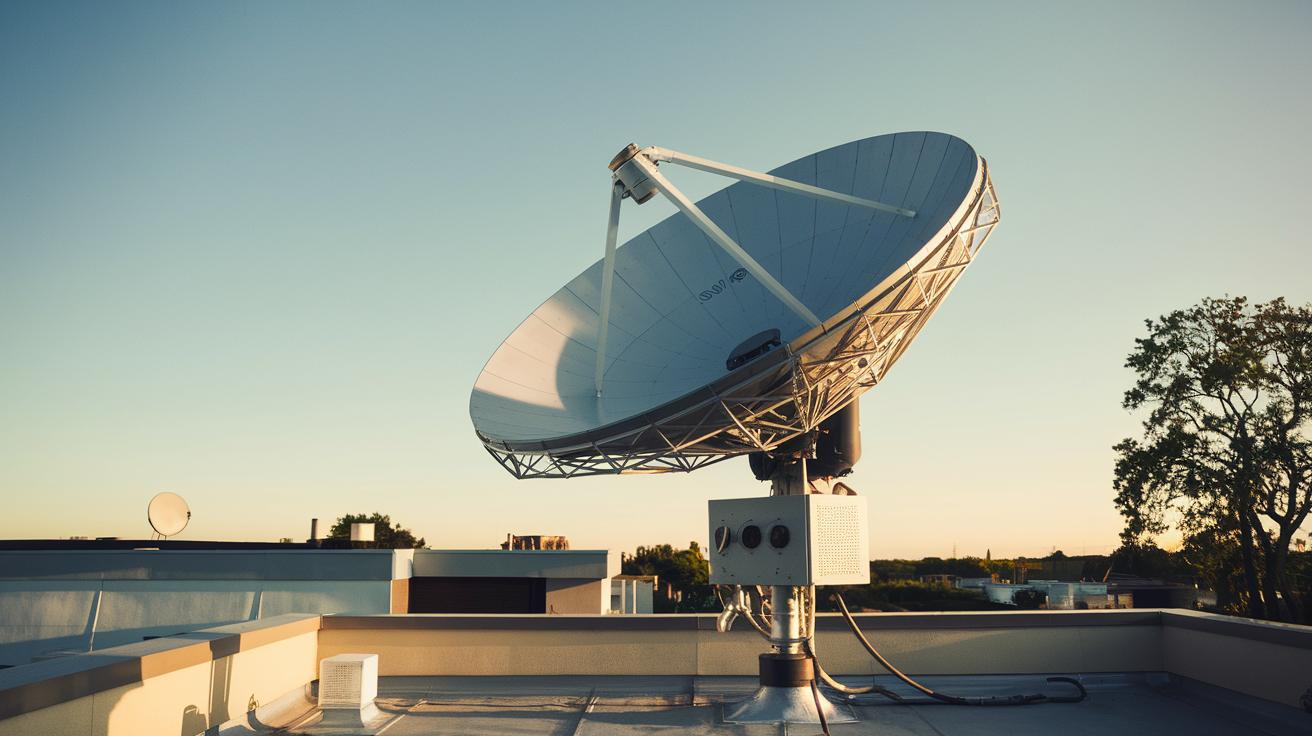
The monthly fee for Starlink's internet service is set at $120. This cost provides users with high-speed internet access with download speeds up to 220 Mbps, making it a competitive option for those in remote and underserved areas. The monthly fee covers the essential internet service, supporting activities such as online gaming and video calls, thanks to its low-latency performance.
In addition to the monthly subscription, there is an initial equipment cost of $349, which includes a satellite dish and router necessary for connecting to the Starlink network. A shipping fee of $50 is also applicable, bringing the total initial setup cost to $399. Starlink's self-installation process is designed to be user-friendly, allowing customers to set up the equipment without incurring additional installation fees. This ease of self-installation not only saves on potential additional costs but also ensures that users can quickly become operational without waiting for professional installation services.
| Cost Type | Price |
|—————–|——–|
| Monthly Fee | $120 |
| Equipment Cost | $349 |
| Shipping Fee | $50 |
By eliminating the need for professional installation, Starlink's self-installation process significantly reduces overall costs associated with setting up the service. This approach makes Starlink particularly appealing for customers in remote areas, where traditional installation services may be limited or costly. The straightforward setup process empowers users to independently manage their installation, further enhancing the cost efficiency of Starlink's offering.
Starlink Subscription Plans: Options and Pricing
Starlink offers a range of subscription plans tailored to meet diverse connectivity needs. The primary options include the Residential Plan, Mobile Priority plans, and the Roam Unlimited plan. Each plan is designed to cater to different user requirements, from stationary home use to mobile internet access on-the-go. Although these plans come at varying price points, they all provide access to high-speed satellite internet, making them viable options for users in remote or underserved areas. Users should be aware that during peak usage periods, speed throttling may occur, affecting performance.
Residential Plan
The Residential Plan is priced at $120 per month and is geared towards providing reliable internet connectivity for home users. This plan is particularly beneficial for individuals residing in rural or remote locations where traditional ISPs may not offer adequate service. It offers download speeds up to 220 Mbps and is suitable for activities such as streaming, video calls, and online gaming due to its low-latency performance.
Mobile Priority Plans
Mobile Priority plans are available in a range from $50 to $165 per month, depending on the level of priority and data usage required. These plans are designed for users who need internet access while on the move, such as travelers or those with mobile workstations. The flexibility in pricing allows users to select a plan that best fits their mobility and data needs, ensuring they remain connected without compromising on speed or reliability.
Roam Unlimited Plan
The Roam Unlimited plan, priced at $165 per month, provides unlimited data access for users on-the-go. It is ideal for those who require constant internet connectivity, regardless of location. This plan supports internet use at speeds of up to 100 mph, making it perfect for RV travelers, campers, and others who are frequently on the road.
- Residential Plan: Best for home use with high speeds and low latency.
- Mobile Priority Plans: Offers flexibility for travelers with various pricing based on data needs.
- Roam Unlimited Plan: Provides unlimited data for consistent connectivity on-the-go.
- Data Limits and Coverage: While plans may have different data priorities, all provide comprehensive satellite coverage.
These diverse Starlink subscription plans cater to different user scenarios, ensuring that everyone from stationary home users to mobile adventurers can find a plan that meets their internet needs.
Additional Fees and Potential Discounts for Starlink Users
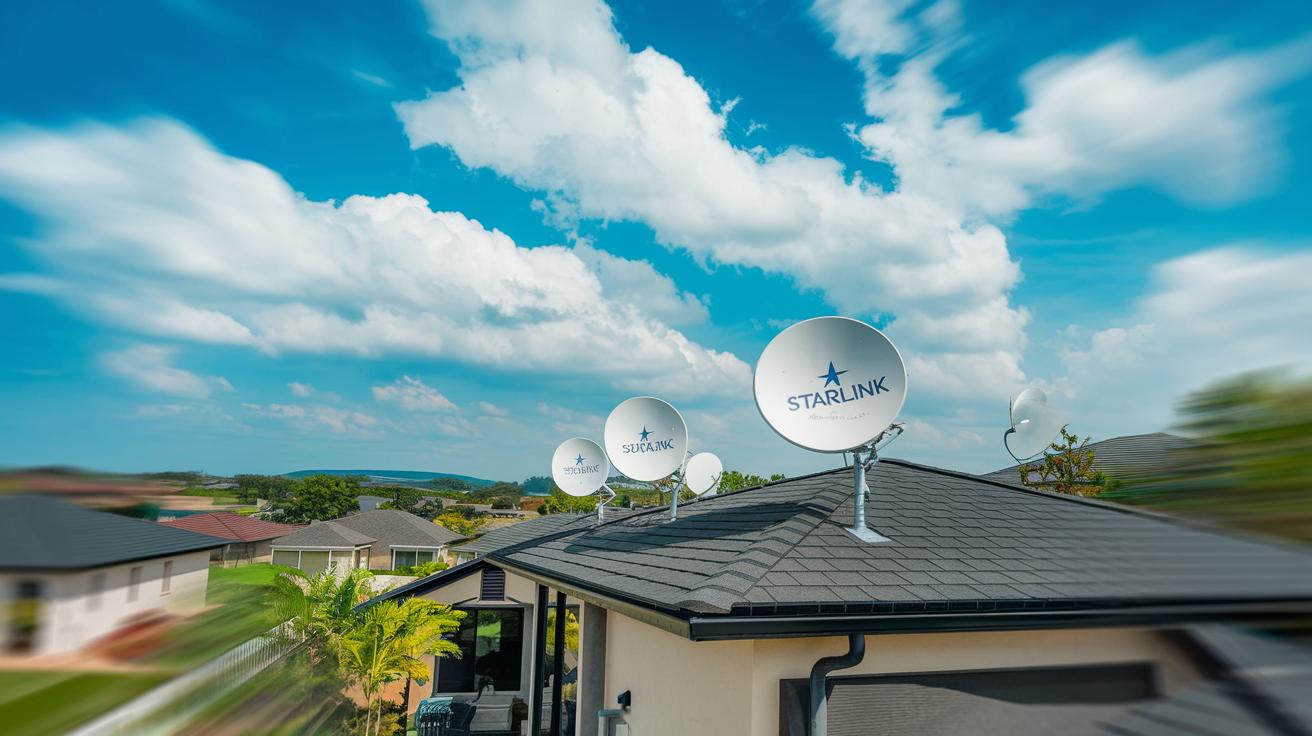
Starlink users may encounter additional fees, such as a one-time congestion charge of $100, which applies in high-demand areas where network capacity is temporarily strained. This charge is intended to manage bandwidth usage and ensure service quality for all users during peak times. While the congestion fee may affect the total cost for some users, it is not a standard charge and is only implemented in specific regions where demand significantly exceeds supply. Users should be aware of this possibility when budgeting for Starlink services, particularly if they reside in or frequently travel to areas known for high demand.
SpaceX provides potential discounts for Starlink services based on regional network capacity. In areas with abundant satellite coverage and available bandwidth, users may benefit from reduced equipment prices or discounted service rates. These discounts are part of SpaceX's strategy to optimize network utilization and encourage adoption in regions where capacity is not fully utilized. Users interested in Starlink should inquire about available discounts when signing up, as these offers can significantly offset initial and ongoing costs.
- Congestion Charge: $100 in high-demand areas.
- Regional Discounts: Available in regions with abundant capacity.
- Reduced Equipment Prices: Applicable in select markets.
By understanding these additional fees and discount opportunities, prospective Starlink users can better manage their service costs and take advantage of potential savings where available.
Comparing Starlink Internet Costs with Traditional ISPs
When comparing the cost of Starlink to traditional ISPs, it's clear that Starlink's pricing is on the higher end, with a monthly fee of $120. In contrast, cable and DSL services often offer lower prices, with some plans starting as low as $50 per month. Despite the higher cost, Starlink presents a compelling case for users in remote or rural areas, where traditional ISPs frequently do not reach or provide adequate service. While cable and DSL might be cheaper in urban settings, their availability and effectiveness diminish significantly as one moves away from densely populated areas.
The availability of service is a critical differentiator between Starlink and traditional ISPs. Unlike cable and DSL, which require physical infrastructure that is often absent in remote locations, Starlink leverages a satellite network that provides coverage virtually anywhere. This makes it a reliable option for those residing in underserved regions, ensuring that they have access to high-speed internet regardless of geographical constraints. The use of low Earth orbit satellites allows Starlink to bridge the digital divide, providing internet access to areas that have long been neglected by conventional service providers.
Starlink offers unique features that are particularly advantageous for specific user groups. Its low-latency performance supports online gaming and video conferencing, activities that require a stable and fast connection. Furthermore, Starlink does not impose data caps, which can be a significant limitation with traditional ISPs. While cable and DSL providers might throttle speeds or charge extra for exceeding data limits, Starlink users can enjoy unlimited data usage, making it an attractive option for heavy internet users. This lack of data restrictions, combined with its global reach, positions Starlink as a viable alternative to traditional ISPs, especially for those who prioritize consistent performance and extensive coverage over cost savings.
| Service Type | Cost | Availability |
|————–|——-|———————–|
| Starlink | $120 | Global, including remote areas |
| Cable | $50+ | Urban and suburban areas |
| DSL | $40+ | Limited to certain regions |
Starlink for RVs: Costs and Considerations

The Starlink Roam Unlimited plan, priced at $165 per month, is a key offering for RV users seeking reliable internet access while on the move. This plan provides unlimited data, making it ideal for those who travel frequently and require consistent connectivity without worrying about data caps. The Roam Unlimited plan supports internet use at speeds of up to 100 mph, ensuring that users can stay connected even while their RV is in motion. This level of service is particularly beneficial for digital nomads, remote workers, and families who rely on the internet for streaming, navigation, and communication while traveling.
A crucial component of Starlink's mobile solution is the Starlink Mini dish, which is priced at $599. Designed for mobility, this compact dish can be easily set up and taken down, allowing users to quickly establish a connection to SpaceX's satellite network from virtually any location. The Mini dish is engineered to withstand various environmental conditions, making it suitable for outdoor use. Its portability is a significant advantage for RV users who need a flexible and efficient way to access high-speed internet across different terrains and remote locations.
- Seamless Connectivity: Provides stable internet access at high speeds, even while the vehicle is in motion.
- Unlimited Data: Eliminates the need to monitor data usage, allowing for uninterrupted streaming and online activities.
- Portability: The compact design of the Mini dish makes it easy to transport and set up, enhancing travel flexibility.
These features make Starlink a compelling option for RV travelers, offering unparalleled internet access that enhances the overall travel experience.
Starlink's Impact on the Digital Divide in Rural Areas
Starlink provides a pivotal solution for internet accessibility in rural communities, where traditional ISPs often lack the infrastructure to deliver high-speed connectivity. By utilizing a network of low Earth orbit satellites, Starlink ensures consistent and reliable internet access in areas that have been historically underserved. This technological advancement not only bridges the connectivity gap but also empowers rural residents with opportunities for remote work, online education, and telemedicine. The availability of Starlink in remote regions signifies a critical step in narrowing the digital divide, granting these communities similar digital capabilities as urban counterparts.
Despite its benefits, the cost of Starlink presents challenges for some rural users. The monthly fee of $120, coupled with the initial equipment cost of $349, can be a significant financial burden for families in these areas. While traditional ISPs might offer cheaper plans, their limited reach renders them ineffective for many rural residents. The higher price point of Starlink, therefore, reflects the premium on ensuring connectivity where other options fall short. Addressing these pricing challenges is essential to maximizing Starlink's impact on rural internet accessibility, potentially through subsidies or tiered pricing models to accommodate varying economic circumstances.
- Importance of Rural Internet Connectivity:
- Enables remote work and online education.
- Supports telemedicine and healthcare access.
- Bridges the digital divide, fostering economic development.
Future Advancements and Their Potential Impact on Starlink Pricing
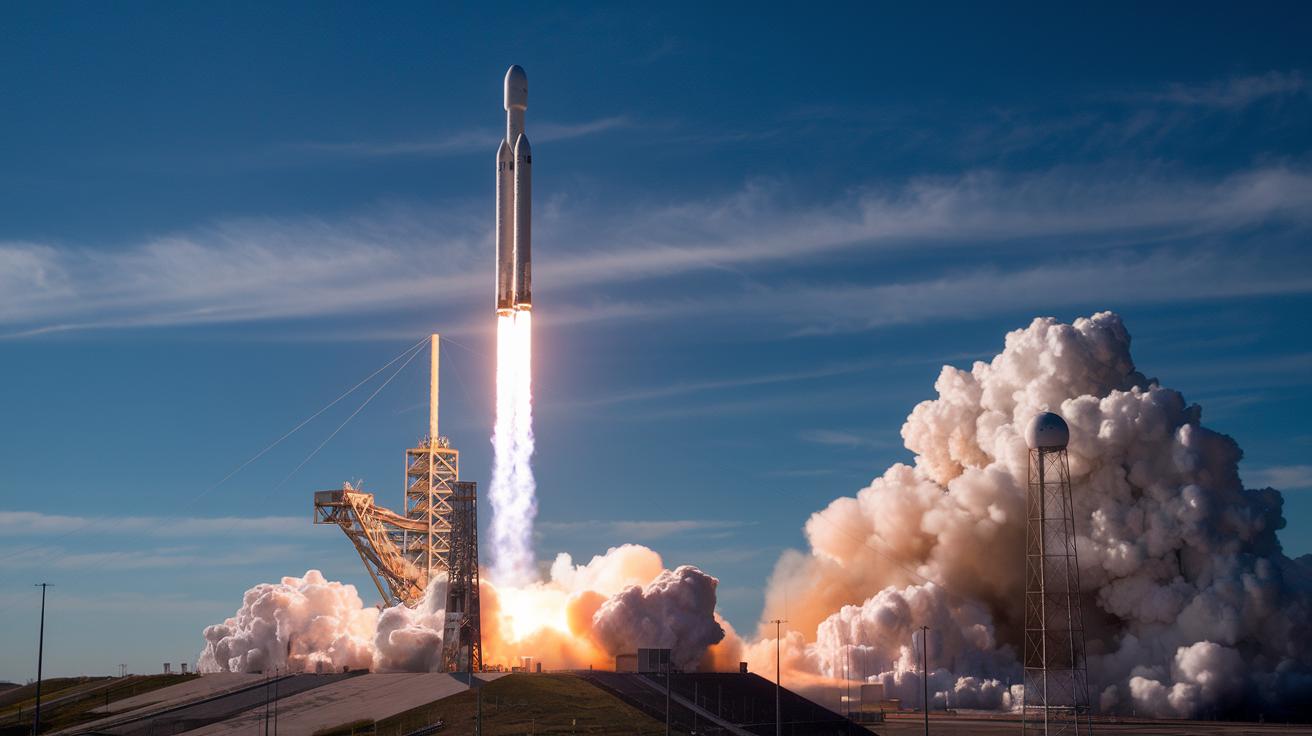
SpaceX's plans to launch version 3 satellites are set to significantly impact the Starlink service. The new satellites, which are four times larger and possess ten times the capacity of current models, promise to enhance broadband performance and improve global coverage. This upgrade is expected to pave the way for reduced prices as increased capacity allows SpaceX to serve more users efficiently. Moreover, the advanced technology embedded in these satellites will likely lead to better service reliability and faster internet speeds, making the service more appealing to a broader audience.
The introduction of these satellites is anticipated to lower operational costs over time, which could be a catalyst for price reductions in Starlink's subscription plans. With a higher number of satellites in orbit, operational efficiencies are expected to improve, reducing the cost per user. New technologies could also streamline maintenance processes, further decreasing expenses. These advancements collectively suggest that as SpaceX continues to scale its network, there could be more competitive pricing, potentially making Starlink a more affordable option for users in remote areas.
- Enhanced Satellite Capacity: More users served with increased efficiency.
- Improved Service Reliability: Fewer disruptions and more consistent connectivity.
- Faster Internet Speeds: Higher download and upload speeds for users.
- Operational Cost Reductions: Lower expenses leading to potential price cuts.
These expected improvements underscore the potential for Starlink to become not only a more cost-effective solution but also a more robust choice for internet users worldwide.
How to Purchase and Set Up Your Starlink Equipment
To purchase Starlink equipment, users can conveniently order online. The package includes a satellite dish and a router, essential for establishing a connection to the Starlink network. The ordering process is straightforward: visit the Starlink website, enter your service address to check availability, and follow the prompts to complete the purchase. The equipment is priced at $349, with an additional $50 for shipping and handling. Once ordered, the package is shipped directly to your address, ready for self-installation.
Setting up the Starlink equipment is designed to be user-friendly, assisted by a dedicated app that guides users through the process. The self-installation eliminates the need for professional assistance, reducing setup costs and allowing immediate access to high-speed internet. Here is a step-by-step guide to installing your Starlink equipment:
- Download the Starlink App: Available on iOS and Android, the app provides setup instructions and troubleshooting support.
- Assemble the Dish: Follow the included instructions to connect the dish to the tripod or mount.
- Position the Dish: Place it in a location with a clear view of the sky to ensure optimal satellite connectivity.
- Connect the Router: Use the provided cables to connect the dish to the router.
- Activate the Service: Follow the app's instructions to connect to the Starlink network and complete the setup.
By following these steps, users can efficiently set up their Starlink equipment and begin enjoying reliable internet service, especially beneficial in remote areas where traditional providers are limited.
Evaluating Starlink's Cost Efficiency and Value Proposition
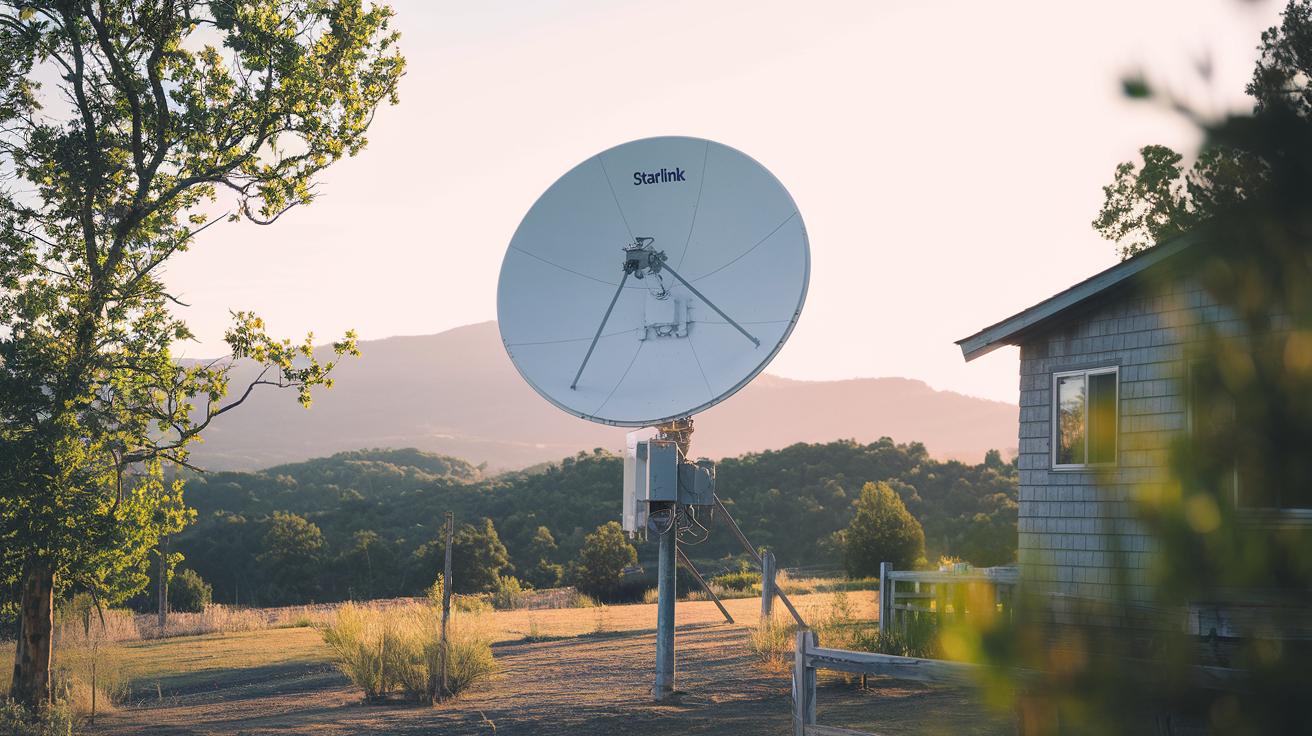
Starlink's unique selling points lie in its ability to provide high-speed internet access to remote and underserved areas where traditional ISPs often fail to deliver. The service's global satellite network ensures coverage in locations lacking the necessary infrastructure for cable or DSL connections. Starlink's no data cap policy is a significant advantage, especially for heavy internet users who might face restrictions with conventional service providers. This unlimited data offering, combined with low-latency performance, makes Starlink particularly appealing to those in rural areas who rely on consistent internet for work, education, and communication.
Cost-Benefit Analysis
The cost efficiency of Starlink must be evaluated against its monthly fee of $120 and the initial equipment cost of $349. While these expenses are higher than some traditional broadband options, the value proposition becomes clear for users in remote regions. The seamless connectivity provided by Starlink's satellite array eliminates the geographical limitations faced by typical ISPs, ensuring reliable access regardless of location. This makes the service a worthy investment for individuals and communities previously excluded from high-speed internet access. Additionally, the ease of self-installation further reduces potential costs associated with professional setup services.
Weighing Starlink's value against its costs involves considering both its advantages and limitations:
- Key Benefits:
- Consistent Coverage: Reliable internet access in remote and underserved areas.
- Unlimited Data: No data caps, supporting high-volume usage.
- Low Latency: Suitable for activities requiring stable connections, such as gaming and video conferencing.
- Self-Installation: User-friendly setup process reduces additional costs.
- Drawbacks:
- Higher Cost: More expensive than some traditional broadband services.
- Initial Equipment Fee: Upfront cost may be prohibitive for some users.
- Potential Congestion Fees: Additional charges in high-demand areas.
- Speed Throttling: Possible during peak usage times, affecting performance.
Overall, Starlink's cost efficiency is best appreciated in the context of its unparalleled reach and service quality in areas where alternatives are limited or non-existent.
Final Words
Examining the cost of Starlink reveals a comprehensive breakdown of expenses involving initial setup, monthly fees, and potential additional charges. Starlink presents a significant expenditure at $120 per month, along with a $349 equipment fee, but its high-speed, low-latency service and wide availability in remote areas add undeniable value.
Starlink's unique offerings expand internet access, especially where traditional ISPs fall short. Despite the costs associated with setup and subscription, the benefits make it an attractive option, particularly for rural users seeking reliable connectivity. The potential future advancements further bolster its appeal, hinting at promising cost savings ahead.
FAQ
How much does Starlink actually cost?
The total cost for Starlink includes a $120 monthly fee, an initial equipment charge of $349, and a $50 shipping fee, offering low-latency, high-speed internet suitable for diverse online activities.
Is Starlink worth the money?
Starlink provides significant value, especially in areas with limited traditional ISP availability. It offers reliable service without data caps, making it appealing, albeit more expensive, for remote and rural users.
Is Starlink faster than 5G?
Starlink can provide speeds up to 220Mbps, which can be competitive with 5G under certain conditions, although 5G speeds may surpass Starlink in areas with robust 5G infrastructure.
What is the downside to Starlink?
Downsides to Starlink include higher costs compared to traditional ISPs and potential speed throttling during peak usage times. Additionally, service can be affected by obstructions like trees or buildings.
What are Starlink’s internet plans?
Starlink offers a range of plans: a $120/month Residential plan, Mobile Priority plans from $50 to $165/month, and a Roam Unlimited plan at $165/month, with variations in data and portability features.
Who owns Starlink?
Starlink is owned by SpaceX, which is an aerospace manufacturer and space transport services company founded by Elon Musk. Starlink is a project under SpaceX aimed at providing global internet coverage.
What equipment does Starlink provide?
Starlink provides a satellite dish and router, priced as a kit for $349. This equipment supports a self-installation process, facilitating ease of setup without additional professional installation costs.
Are there additional fees with Starlink?
Starlink may charge a one-time congestion fee of $100 in high-demand regions. Discounts might be available in areas with abundant network capacity or due to equipment price reductions.