

Is the Rolex Daytona truly the crown jewel of luxury timepieces, or merely an elixir of hype that has sparked frantic market speculation? This question becomes particularly pressing as we dissect the dizzying shifts in its pricing over the past five years. From a steep hike in market value from £9,000 to over £26,000, the Daytona’s trajectory reveals not only the allure of its craftsmanship but also the intricate dynamics of collector demand and market volatility. This article will delve into these value fluctuations, offering an in-depth analysis of the underlying factors shaping the Daytona's price evolution.
Analyzing Rolex Daytona Pricing Trends Over the Last Five Years
Over the last five years, the Rolex Daytona has exhibited notable pricing fluctuations, reflecting both market dynamics and the inherent value placed on this prestigious timepiece. Between 2019 and 2023, the Daytona has seen a significant appreciation in value. For instance, the ceramic model reference 16500LN was priced at approximately £21,000 retail in 2019, with market prices ranging from £17,000 to £20,000. Fast forward to 2023, and the market prices for the same model have escalated to between £24,000 and £26,000. This trend is indicative of a broader increase in demand and the limited availability of Daytona models, which continue to drive prices upward. Predictions for new models suggest a further rise, with expectations of prices reaching £30,000 to £35,000.
| Year | Model | Market Price Range | Retail Price |
|——|————-|——————–|————–|
| 2014 | 16520 | £9,000 – £10,000 | £8,000 |
| 2019 | 16500LN | £17,000 – £20,000 | £21,000 |
| 2023 | 16500LN | £24,000 – £26,000 | N/A |
| 2023 | New Models | Predicted: £30,000 – £35,000 | N/A |
| 2023 | Platinum Daytona | £80,000 – £90,000 | N/A |
The observed changes in Daytona pricing over the last five years can be attributed to several factors. Primarily, the limited production and high demand create a competitive market environment, where consumers are often willing to pay a premium. This exclusivity, coupled with Rolex's meticulous craftsmanship and historical significance, continues to bolster the Daytona's allure. Notably, the introduction of ceramic bezels and other model variations has added to the desirability and, consequently, the market value.
Another factor influencing these trends is the broader economic landscape. The Rolex Daytona has demonstrated resilience to economic fluctuations, maintaining its status as a stable investment option. Unlike other luxury collectibles that can suffer from market volatility, the Daytona's consistent price appreciation underscores its investment potential. This resilience, combined with its iconic status in the watch industry, ensures that the Daytona remains a highly sought-after asset.
Factors Influencing Rolex Daytona Market Prices
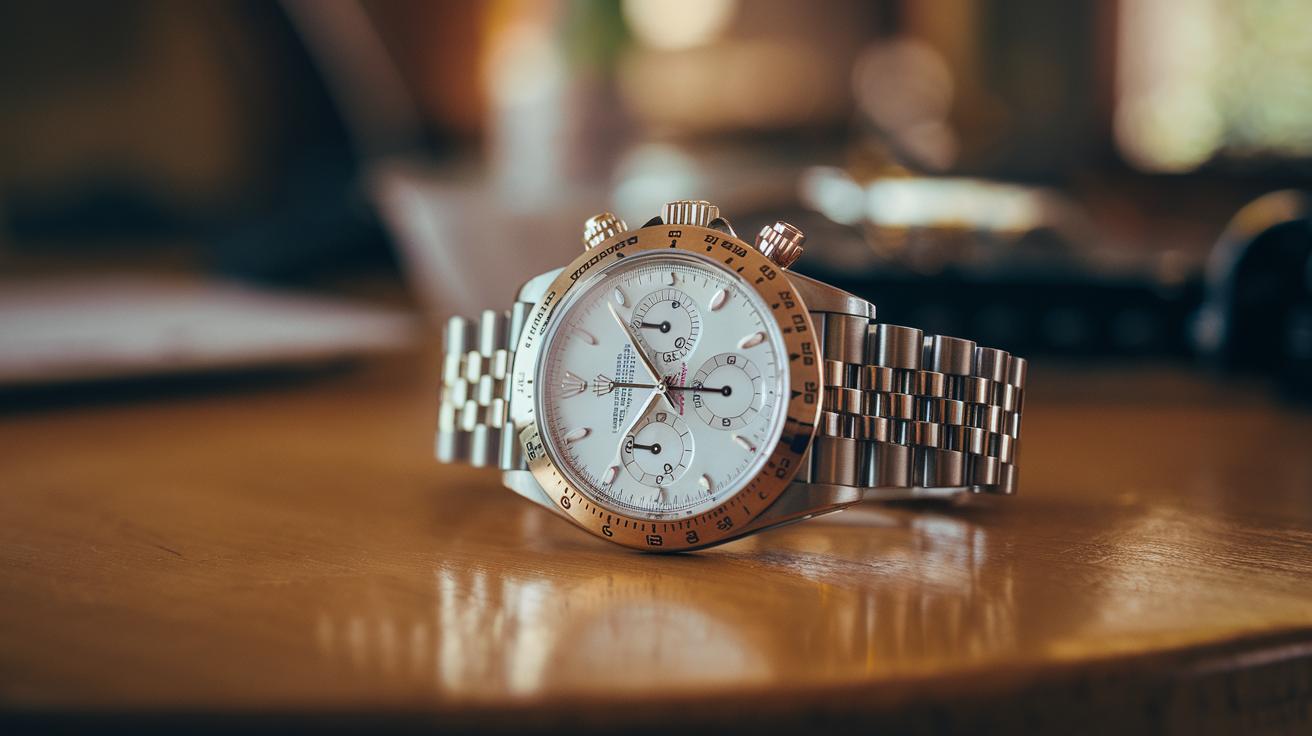
The demand for Rolex Daytona watches is consistently high, largely driven by their limited availability. This scarcity is a deliberate strategy by Rolex, ensuring that each Daytona model retains its exclusivity and allure. The waiting lists for new Daytonas can extend up to 5 or 10 years, underscoring the high demand and limited supply. This intentional restriction not only amplifies demand but also elevates market prices significantly, as consumers are often willing to pay a premium to bypass these extensive wait times.
Rolex's brand prestige plays a crucial role in sustaining and enhancing Daytona prices. The Daytona's association with luxury, precision mechanics, and exceptional materials contribute to its esteemed reputation. Additionally, models like the "Paul Newman" Daytona have captivated collectors' interest, driving prices even higher. The rarity of such models, combined with their legendary status, creates a fervent market environment where collectors are prepared to invest substantial sums to acquire these coveted pieces. This collector interest further reinforces the watch's value and market stability.
Historical significance and model variations also impact Rolex Daytona market prices. Over the years, the Daytona has evolved, with each iteration encapsulating a piece of horological history. Variations in materials, such as the transition to ceramic bezels or the introduction of unique dials, add to the Daytona's appeal. These model-specific features not only enhance the watch's aesthetic and functional value but also drive demand for particular models, influencing their market prices. The Daytona's storied legacy, combined with these evolving variations, ensures its perpetual desirability and investment potential.
Comparing Retail and Pre-Owned Rolex Daytona Prices
Retail pricing for the Rolex Daytona has shown notable shifts over recent years, reflecting broader market trends and consumer demand. As of the latest data, a steel Rolex Daytona commands a retail price of 16,225 USD, while solid gold variants span from 35,000 to 43,000 USD. In 2019, retail prices for steel and yellow gold Daytonas increased to a range of £14,000 to £15,000. These price adjustments highlight the brand's strategic positioning within the luxury watch market and the enduring appeal of the Daytona as a status symbol. Such retail pricing dynamics underscore the Daytona's value retention, making it a compelling option for both new buyers and seasoned collectors.
- Retail prices for new Daytonas are generally higher than pre-owned models, reflecting the premium on newness and warranty protection.
- Pre-owned Daytonas often sell below retail due to depreciation, although rare models may appreciate even in pre-owned condition.
- Condition and authenticity verification are critical factors influencing pre-owned pricing, with well-maintained pieces fetching closer to retail values.
- Market demand for specific models can cause pre-owned prices to fluctuate, occasionally surpassing retail prices for sought-after versions.
- Retail prices typically include taxes and official service guarantees, while pre-owned purchases may involve additional costs for authentication or servicing.
Resale value is a pertinent factor when assessing the investment potential of a Rolex Daytona. Generally, Daytonas maintain strong resale values due to their brand prestige and limited availability. The market perception of pre-owned Daytonas is largely positive, particularly for models with historical significance or unique features. Buyers in the secondary market often seek out these watches for their investment potential and the allure of owning a piece of horological history.
Pre-owned Daytonas can present an attractive proposition for collectors and investors alike, as they often provide access to discontinued models or limited editions not available through retail channels. This demand for exclusive models can drive pre-owned prices upward, occasionally resulting in pre-owned pieces selling at or above retail. This trend highlights the complex interplay between rarity, desirability, and pricing in the luxury watch market.
The Impact of Model Variations on Rolex Daytona Pricing
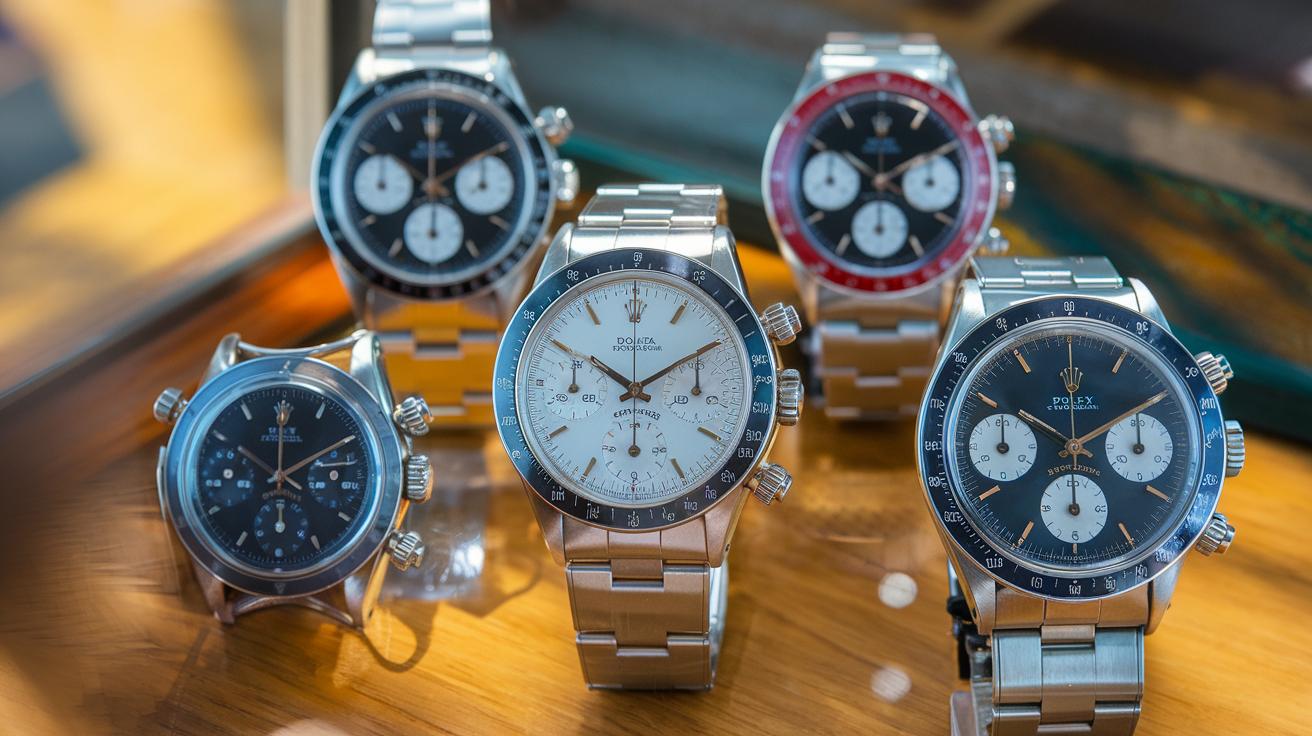
Model variations within the Rolex Daytona lineup significantly influence pricing dynamics, with certain models commanding premium values due to their popularity and demand. For example, the "Paul Newman" Daytona, renowned for its exotic dial and bold colors, remains highly sought-after by collectors. This model's distinctive design and historical significance contribute to its elevated market price, often reaching several million USD at auction. The allure of these popular models lies in their iconic status and limited production runs, making them coveted assets in the luxury watch market.
Rare models and limited editions further accentuate the pricing disparities within the Daytona range. These watches, often released in constrained quantities, attract significant attention due to their exclusivity. Limited editions, such as those commemorating special occasions or partnerships, become instant collectibles, with values appreciating rapidly post-release. The scarcity of these models ensures that they are not only desirable but also command higher resale values, underscoring the importance of rarity in determining market prices.
Features and materials also play a pivotal role in influencing Daytona pricing. Watches with unique attributes, such as the meteorite dial, start at 42,000 USD, but prices can escalate based on additional features like an Oysterflex or solid gold bracelet. The choice of materials, from precious metals to innovative designs, adds layers of value, enhancing both aesthetic appeal and market worth. These elements, coupled with the brand's commitment to precision and craftsmanship, ensure that Daytona pricing reflects both quality and exclusivity.
Predictions for Future Rolex Daytona Prices
As of 2023, market analysts predict a significant growth trajectory for Rolex Daytona prices, driven primarily by continued demand and limited supply. Current forecasts suggest new Daytona models could see prices ranging from £30,000 to £35,000, while platinum Daytonas are already fetching between £80,000 and £90,000. These projections are underpinned by the timepiece's enduring allure and the strategic production limitations enforced by Rolex, which perpetuate its exclusivity. Additionally, the increasing interest from younger demographics and emerging markets is expected to bolster demand further, potentially driving prices higher as collectors and investors vie for ownership.
- Scarcity: Rolex's controlled production limits ensure a baseline of exclusivity.
- Collector Influence: Auction results and collector interest set high price precedents.
- Economic Climate: The broader economic environment can impact luxury goods pricing.
These pricing trends carry substantial investment implications, as the Daytona's historical price stability and consistent appreciation position it as a relatively secure asset in the luxury market. Potential market shifts could be influenced by variables such as economic downturns or changes in consumer preferences, yet the Daytona's iconic status and reputation for quality offer a buffer against such volatility. As a result, prospective buyers and investors should consider the watch's long-term value retention and potential for appreciation when evaluating its investment potential.
The Role of Economic Factors in Rolex Daytona Pricing
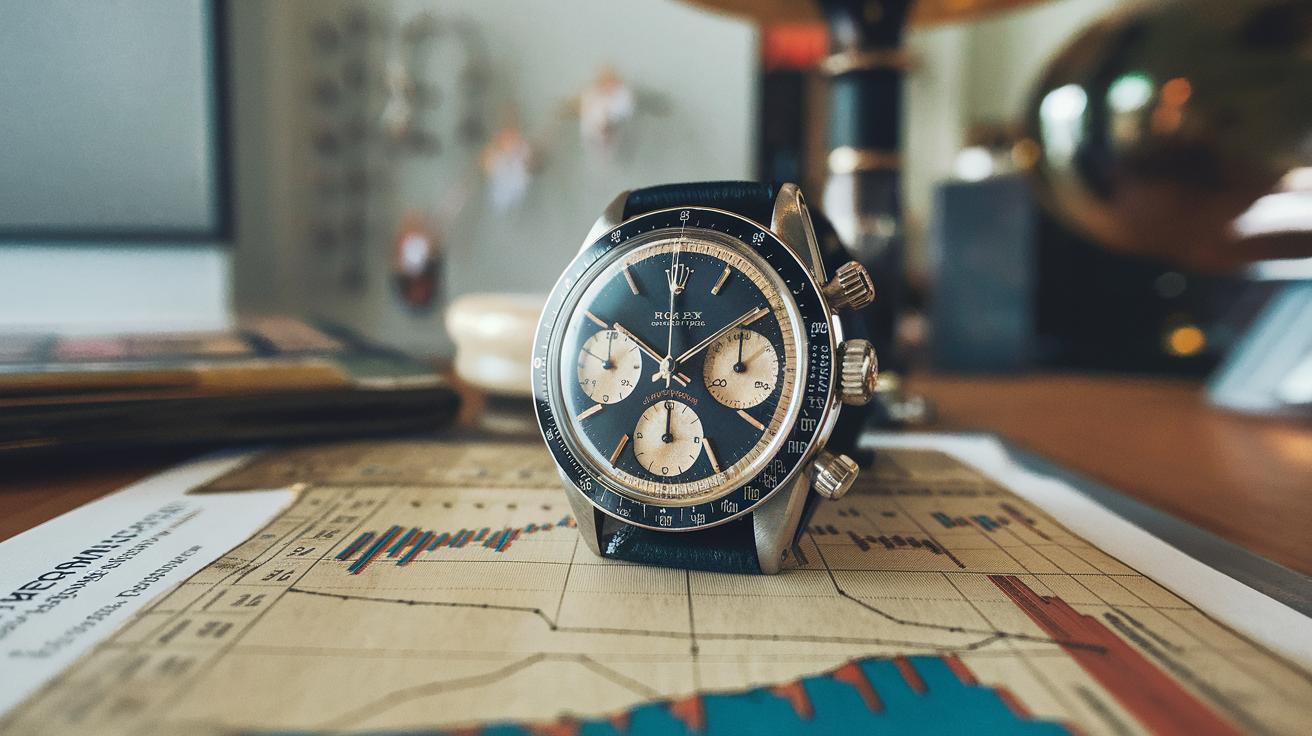
Economic downturns and inflation have a tangible impact on the pricing of luxury goods, including the Rolex Daytona. During periods of economic instability, consumers often become more conservative with discretionary spending, potentially leading to a decrease in demand for high-value items. This can result in a temporary softening of market prices for watches like the Daytona. Inflationary pressures, on the other hand, may drive up production costs, which can lead to higher retail prices as brands seek to maintain profit margins. Despite these challenges, the Daytona's allure often overrides short-term economic fluctuations, as collectors and enthusiasts perceive it as a timeless investment.
The historical price stability of the Rolex Daytona sets it apart from other luxury investments. Unlike volatile assets, the Daytona has shown consistent appreciation over the decades, reinforcing its reputation as a reliable store of value. This stability is attributed to Rolex's strategic production limits and the watch's esteemed legacy in the horological community. Compared to other investment-grade collectibles, which may experience erratic valuations, the Daytona offers a compelling blend of prestige and financial security, making it an attractive option for both collectors and investors seeking long-term value retention.
Regional Pricing Differences for the Rolex Daytona
Rolex Daytona prices vary significantly across different regions, influenced by local market conditions and consumer preferences. For instance, in 2019, the retail price of the Daytona saw a substantial increase, rising to around £21,000 from £8,000 in 2014. This sharp increase highlights how regional economic factors and the cost of import duties can impact pricing. In markets like Asia and the Middle East, where luxury goods are highly coveted, the Daytona often commands higher market prices compared to European regions. These regional disparities are further accentuated by varying levels of local demand and availability, contributing to diverse pricing landscapes globally.
Currency fluctuations play a critical role in regional pricing differences for the Rolex Daytona. As exchange rates fluctuate, the cost of importing watches can rise or fall, directly affecting retail prices in different markets. For instance, a weaker local currency against the Swiss Franc could lead to higher prices for Swiss-manufactured watches like the Daytona, as dealers adjust prices to maintain profit margins. This dynamic often results in more pronounced price differences between regions with strong currencies and those experiencing currency depreciation, impacting consumer purchasing power and market behavior.
Regional demand and availability also heavily influence Daytona prices. In regions where the watch is perceived as a status symbol, demand can outstrip supply, driving up prices. Limited availability due to strategic distribution by Rolex further exacerbates this, as watches are often sold out before reaching authorized dealers. In contrast, regions with less consumer interest or greater supply may see more stable or even discounted pricing. These factors combine to create a complex pricing environment, where regional market analysis is crucial for understanding the global pricing of the Rolex Daytona.
The Influence of Auctions and Collector Interest on Daytona Prices
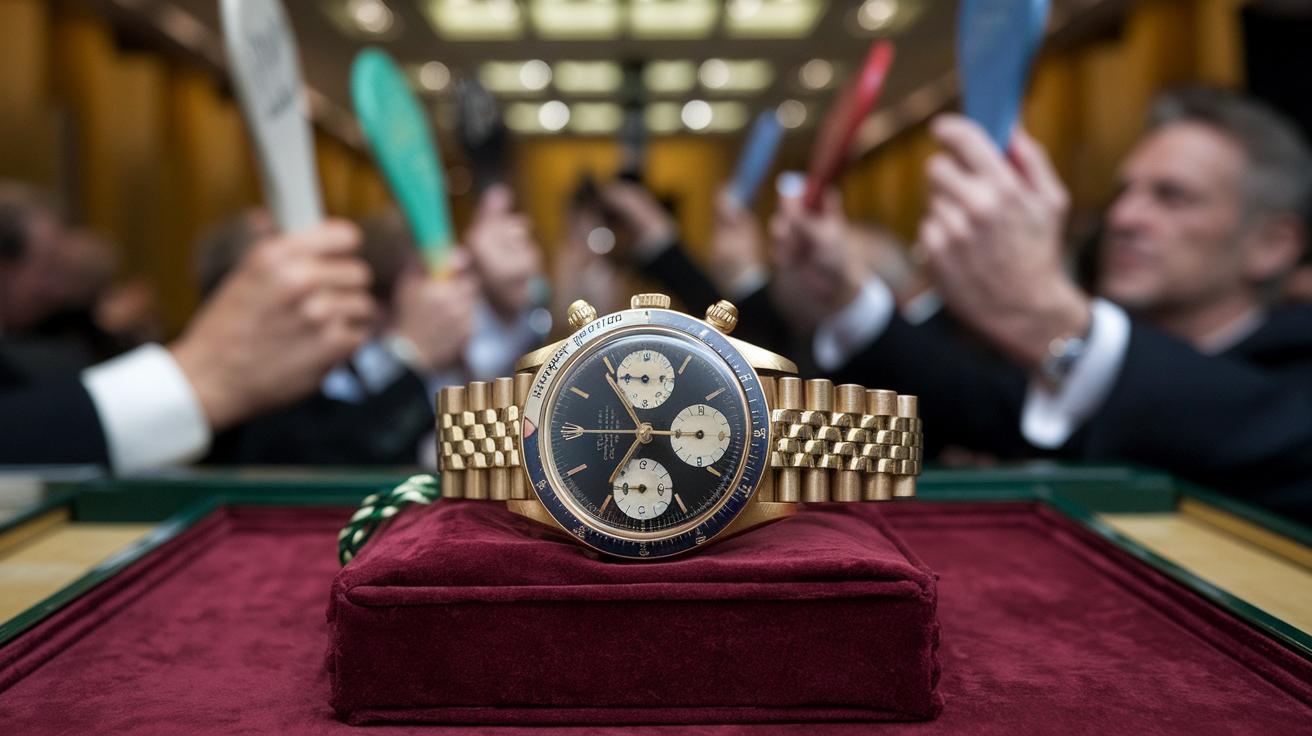
Notable auction sales have a profound impact on the market values of Rolex Daytona watches. The Paul Newman Daytona, for instance, achieved a record-breaking sale of $17.8 million in 2017, setting a new benchmark as the most expensive Rolex ever sold. This monumental auction result not only elevated the prestige of the Paul Newman model but also influenced the broader market perception of the Daytona line. Such auction trends establish new price ceilings and attract heightened attention to similar rare and vintage models. The significance of these events lies in their ability to redefine market expectations, often leading to increased valuations for comparable models within the Daytona family.
Collector interest plays a pivotal role in driving demand and price appreciation for rare Daytona models. Enthusiasts and collectors are particularly drawn to the unique history, design variations, and limited availability of certain Daytona watches. This fervent interest often results in competitive bidding at auctions and private sales, further inflating prices. Models with distinct features or historical significance, such as the "Paul Newman" or those with exotic dials, garner substantial attention, driving their market value upward. The collector market's enthusiasm ensures that rare Daytonas maintain their status as coveted assets, reflecting both their horological significance and investment potential.
Comparing Authorized Dealers and Grey Market Pricing for the Rolex Daytona
Acquiring a Rolex Daytona through authorized dealers presents significant challenges, primarily due to the extensive waiting lists that can extend up to 5 or 10 years. This scarcity is strategically managed by Rolex to maintain exclusivity and high demand. Authorized dealers, bound by retail pricing strategies, offer the Daytona at its official retail price. However, the limited availability and prolonged wait times often deter potential buyers, prompting them to explore alternative purchasing avenues. The stringent allocation policies and the premium placed on newness and warranty protection inherently limit immediate purchasing options, creating a highly competitive environment for prospective buyers.
In contrast, the grey market offers a different purchasing dynamic, where availability is more immediate, albeit at a premium. Grey market prices often exceed those of authorized dealers due to the immediate accessibility of the Daytona and the bypassing of waiting periods. This pricing discrepancy arises from the demand-supply imbalance, driven by collectors and enthusiasts willing to pay above retail for instant ownership. The grey market thrives on pricing transparency issues and the urgency of acquisition, positioning itself as a viable, albeit costlier, alternative for those unwilling to endure the prolonged wait imposed by authorized channels. This divergence in pricing strategies underscores the complexities of the luxury watch market, where availability and immediate gratification command premium values.
Evaluating the Investment Potential of the Rolex Daytona
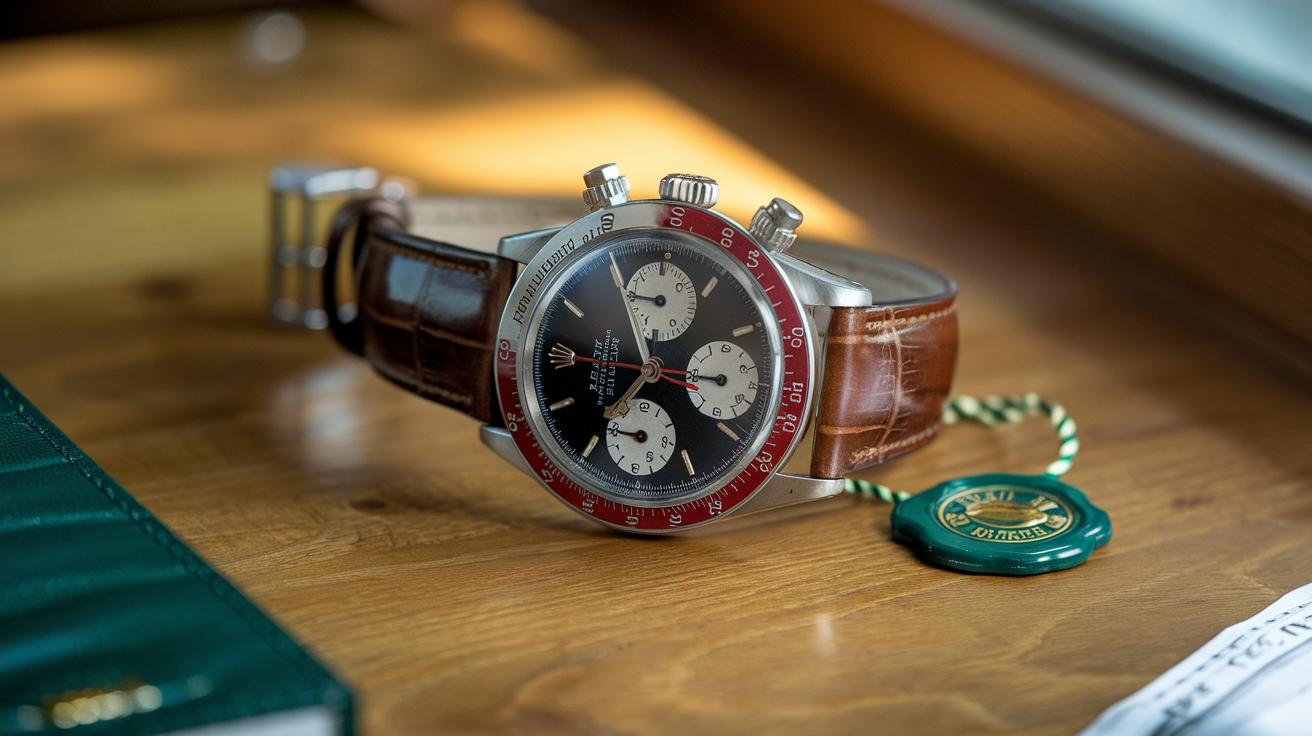
The investment appeal of the Rolex Daytona is underscored by its consistent price appreciation and status as a cornerstone of the Rolex collection. This timepiece is not only revered for its precision engineering and aesthetic allure but also for its established track record in the luxury investment market. Unlike other volatile investments, the Daytona offers a unique blend of historical significance and brand prestige, contributing to its reliable value retention. Collectors and investors are drawn to its potential for appreciation, often viewing it as a secure asset within the realm of luxury watches. The Daytona's limited production and high demand further enhance its desirability and market value, making it a sought-after item for those seeking both a symbol of prestige and a tangible investment.
| Model | Initial Price | Current Market Price |
|—————–|—————|———————-|
| Steel Daytona | £8,000 | £24,000 – £26,000 |
| Platinum Daytona| £30,000 | £80,000 – £90,000 |
| Ceramic Daytona | £21,000 | £30,000 – £35,000 |
Looking forward, the investment prospects for the Rolex Daytona remain promising. Market analysts predict continued growth in value, buoyed by the watch's iconic status and the strategic limitation of its production. As emerging markets and younger collectors enter the luxury watch arena, demand is likely to increase, supporting potential price hikes. These factors, combined with the Daytona's established market position, suggest that it will continue to be a valuable asset in any investment portfolio.
However, investing in luxury watches like the Daytona does come with inherent risks. Market fluctuations and shifts in consumer preferences can impact resale values, and the high initial cost of entry may pose a barrier for some investors. Additionally, the potential for counterfeit models and the necessity of maintaining the watch's condition to preserve its value require careful consideration. Despite these challenges, the Daytona's historical price stability and prestige offer a compelling case for its inclusion as a long-term investment.
Final Words
Examining Rolex Daytona pricing over the last five years reveals significant fluctuations shaped by factors such as demand, limited availability, and model variations. The intricate dance between retail and pre-owned prices underscores the Daytona's enduring allure among collectors and investors.
Rolex Daytona pricing trends showcase resilience amid economic influences, offering potential for appreciating value.
Future predictions hint at increased pricing for upcoming models, highlighting the importance of understanding market dynamics. As enthusiasts explore these trends, the Daytona continues to captivate, offering promising prospects for investment and appreciation.
FAQ
Are Rolex Daytona watches increasing in value?
Rolex Daytona watches have shown a consistent upward trend in market value over the years. Notable models, like the ceramic 16500LN, have increased from £17,000-£20,000 in 2019 to £24,000-£26,000 in 2023.
How much did a Rolex Daytona cost in 2010?
In 2010, the Rolex Daytona models were priced significantly lower than current rates, though exact figures may vary based on the model and materials used.
What was the release price of a Rolex Daytona?
The initial release price of the Rolex Daytona varied depending on the model and year, but early models were generally priced relatively low compared to today's market values.
How much should one expect to pay for a Daytona today?
As of 2023, Rolex Daytona ceramic models range between £24,000 and £26,000 in live market prices, while new models might reach £30,000 to £35,000 due to demand and exclusivity.
What influences the market prices of Rolex Daytona watches?
Market prices are primarily influenced by factors such as brand prestige, limited availability, high demand, and historical significance of certain models, like the "Paul Newman" Daytona.
How do regional differences impact the price of a Rolex Daytona?
The regional retail price variations for the Rolex Daytona can be attributed to local market demand, availability, and currency fluctuations, resulting in significant price differences across global markets.
How do auctions affect Daytona prices?
High-profile auctions have a substantial impact, often setting new price benchmarks for rare Rolex Daytona models. For example, the "Paul Newman" Daytona sold for $17.8 million in 2017.
What is the difference between retail and pre-owned Rolex Daytona prices?
Retail prices for steel Daytona models are around $16,225, while pre-owned market prices may vary based on condition, model rarity, and market demand, sometimes overtaking new retail prices.