

Are T-Mobile and Starlink set to redefine how we think about mobile connectivity? The unlikely collaboration between a telecom giant and a private aerospace manufacturer could spell the end of mobile dead zones, turning smartphones into satellite phones. This partnership leverages SpaceX's Starlink satellites to offer coverage in remote areas, initially rolling out in beta for text messaging with plans for voice and data. Dive into the mechanics of this unprecedented synthesis of terrestrial and celestial communication to understand its potential to revolutionize telecommunication infrastructure worldwide.
Exploring the T-Mobile and Starlink Collaboration
Announced in August 2022, the collaboration between T-Mobile and SpaceX aims to revolutionize mobile connectivity by leveraging Starlink's satellite technology. This partnership aspires to transform smartphones into satellite phones, effectively mitigating mobile dead zones. The service, which entered its beta phase in early 2025, represents a strategic move to extend connectivity to areas where traditional networks falter.
The technological backbone of this collaboration is SpaceX's Starlink satellite constellation, which provides a robust infrastructure for mobile connectivity. By integrating satellite technology with mobile networks, T-Mobile facilitates a seamless connection experience across most smartphones released in the last four years. Users require a compatible eSIM, enabling these devices to access satellite communication without significant hardware modifications. This integration exemplifies a significant leap in telecommunications, utilizing cutting-edge satellite technology to bridge connectivity gaps.
The anticipated impact of this partnership on mobile connectivity is substantial. By providing coverage in previously unreachable areas, this initiative promises to redefine user expectations of mobile service availability. It is particularly beneficial for remote and rural regions, where traditional infrastructure is lacking. The collaboration not only enhances accessibility but also strengthens emergency response capabilities, as consistent connectivity becomes feasible across diverse geographical landscapes.
How T-Mobile and Starlink Are Changing Mobile Connectivity
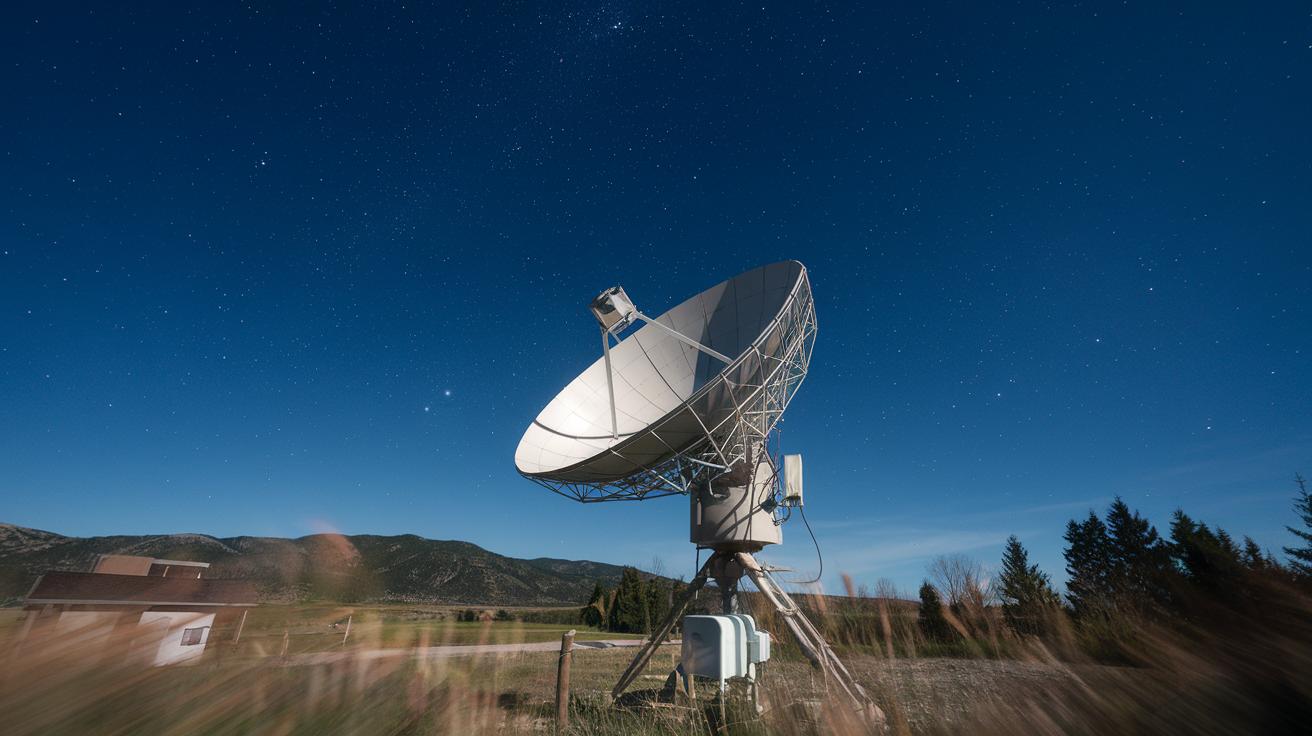
The transformation of mobile connectivity by T-Mobile and Starlink is driven by the integration of SpaceX's satellite technology. This service leverages the Starlink satellite constellation to extend mobile coverage into remote areas, effectively eliminating the reliance on traditional cell towers or Wi-Fi networks. Users can access this service with a compatible eSIM, allowing smartphones such as the iPhone 14 and Samsung Galaxy S21 to seamlessly connect to satellites. This technological advancement marks a pivotal shift in mobile networks, as it enables connectivity in areas previously devoid of reliable service. The infrastructure provided by Starlink satellites ensures robust and continuous coverage, offering users a more consistent and far-reaching mobile experience.
- Expanded Coverage: Provides access to mobile services in remote and rural areas previously lacking coverage.
- Enhanced Reliability: Offers consistent connectivity unaffected by terrestrial infrastructure limitations.
- Increased Accessibility: Allows users to connect without the need for traditional network towers.
- Emergency Connectivity: Improves communication capabilities during emergencies by ensuring coverage in isolated regions.
- Future-Proof Technology: Adapts to advancements in mobile technology, supporting future innovations in connectivity.
The implications of T-Mobile and Starlink's collaboration are profound for remote areas and user accessibility. This partnership not only extends service to locations lacking traditional infrastructure but also democratizes internet access by making connectivity more inclusive. For users in rural or underserved regions, the ability to connect to the internet without reliance on nearby cell towers represents a significant advancement. It facilitates better access to information, enhances emergency response capabilities, and supports economic development by bridging the digital divide. As this technology becomes more widespread, it is expected to have a lasting impact on global connectivity, reshaping how users interact with mobile networks.
Details of the T-Mobile Starlink Beta Program
T-Mobile's Starlink beta program represents an inclusive expansion, now available to anyone, irrespective of their current wireless provider. This initiative is a significant step in the T-Mobile and SpaceX venture, focusing primarily on integrating Starlink's mobile capabilities. Initially centered around text messaging, the program aims to revolutionize communication. Users can access this service without incurring additional costs until July 2025, making it an attractive option for those seeking enhanced connectivity. This phase allows users to experience satellite-enabled mobile integration firsthand, setting the stage for broader service offerings.
| Device | Manufacturer |
|——————|——————|
| iPhone 14 | Apple |
| Galaxy A14 | Samsung |
| REVL 7 5G | T-Mobile |
Looking ahead, the T-Mobile Starlink beta program plans to expand its service offerings to include voice calls and data coverage, providing a more comprehensive communication solution. Post-July 2025, the service will transition to a $15 monthly fee, aligning with T-Mobile's strategy to integrate Starlink's advanced connectivity into its existing plans. This pricing model reflects the value of satellite-based communication, offering users a cost-effective means to access cutting-edge technology. By broadening its scope, the program not only enhances user accessibility but also positions T-Mobile as a leader in the evolving telecommunications landscape, integrating space-based solutions into everyday mobile use.
T-Mobile and Starlink's Impact on the Telecommunications Industry

The collaboration between T-Mobile and Starlink has captured substantial public interest, particularly among outdoor enthusiasts and emergency services. This intrigue is fueled by the partnership's promise to deliver crucial connectivity in locations that were previously unreachable by traditional telecommunications infrastructure. The ability to use smartphones as satellite phones represents a significant shift in how people perceive mobile connectivity, making this technology highly anticipated.
The potential for improved emergency services is a notable aspect of this partnership. By utilizing Starlink's satellite technology, T-Mobile can offer robust communication solutions during natural disasters, where terrestrial networks often fail. This enhanced reliability is critical for emergency responders who require uninterrupted communication channels to efficiently coordinate rescue operations and provide timely assistance. The seamless integration of satellite connectivity ensures that emergency services can maintain contact with affected areas, providing a lifeline during crises. Such advancements not only improve immediate response efforts but also contribute to long-term disaster management strategies.
In terms of competitive positioning, T-Mobile and Starlink's collaboration represents a formidable challenge to traditional telecom carriers like AT&T and Verizon. By offering satellite-based mobile connectivity, T-Mobile distinguishes itself as a pioneer in next-generation telecommunications. This strategic move enhances T-Mobile's network capabilities and positions it as a leader in expanding coverage to underserved areas. Competitors are also exploring satellite solutions, but T-Mobile's early adoption and exclusive partnership with SpaceX give it a distinct advantage. This differentiation could potentially influence customer loyalty and attract users seeking more reliable and expansive mobile services.
Future Prospects of T-Mobile and Starlink's Collaboration
T-Mobile's exclusive contract with SpaceX is projected to end in 2026, a development that could significantly alter the competitive landscape in satellite-based telecommunications. What happens when T-Mobile's exclusivity ends? Potentially, other major players like Verizon and AT&T could gain access to the satellite connectivity service offered by Starlink, introducing a new level of competition. This shift would likely drive advancements in satellite technology as companies vie to offer superior services. With T-Mobile currently holding a first-mover advantage, the end of exclusivity might incentivize them to further innovate and solidify their position as a leader in satellite mobile connectivity. The possibility of increased market competition underlines the need for T-Mobile to enhance its offerings continuously to maintain customer loyalty and market share.
- Voice and Data Integration: Plans to expand satellite services to include voice calls and data connectivity, offering a comprehensive communication solution.
- Increased Satellite Launches: Initiatives to deploy additional satellites, enhancing coverage and service reliability.
- Global Coverage Expansion: Efforts to extend mobile connectivity to underserved regions worldwide, bridging the digital divide.
- Innovative Service Offerings: Development of new satellite-enabled applications and services to enhance user experience.
As the collaboration between T-Mobile and Starlink evolves, it is set to redefine mobile connectivity standards. The integration of satellite technology into everyday mobile use promises to transform user experiences by providing reliable connectivity across diverse geographical locations. What changes can be expected in mobile connectivity? The emergence of satellite-based services will likely lead to a more inclusive digital environment, enabling seamless communication regardless of location. This evolution is poised to change not only how users access mobile networks but also how telecommunications companies structure their service offerings, paving the way for a future where connectivity is ubiquitous and resilient.
Competitive Edge: T-Mobile and Starlink vs. Competitors
T-Mobile's strategic alliance with SpaceX through the Starlink initiative positions it distinctly against other major telecommunications players like AT&T and Verizon. By leveraging satellite technology, T-Mobile offers mobile coverage via Starlink, extending connectivity to remote areas that traditional networks struggle to reach. This approach not only enhances T-Mobile's service portfolio but also strengthens its competitive edge by offering a unique value proposition that is currently unmatched in the telecom industry. The ability to provide satellite-based mobile connectivity allows T-Mobile to differentiate itself as a leader in innovative solutions, catering to customers who demand reliable service in challenging locations.
The beta program of T-Mobile's Starlink service exemplifies its commitment to accessibility and innovation. Participation in this program is managed on a first-come, first-served basis, highlighting an inclusive approach that invites users beyond T-Mobile's existing customer base. This strategy not only broadens the potential user demographic but also serves as a practical demonstration of the service's capabilities, fostering interest and adoption among a diverse audience. By prioritizing accessibility, T-Mobile ensures that a wide range of users can experience the benefits of satellite connectivity firsthand.
In comparison to AT&T and Verizon, T-Mobile's partnership with Starlink offers a pronounced advantage in the emerging satellite communications sector. While AT&T and Verizon are developing their satellite solutions with AST SpaceMobile and Skylo, T-Mobile's early adoption and integration of Starlink technology provide a head start in the market. The collaboration with SpaceX allows T-Mobile to deliver a comprehensive mobile connectivity solution that rivals are still striving to establish. This competitive positioning not only enhances T-Mobile's brand reputation but also sets a new standard for telecom industry changes, pushing competitors to innovate in response to T-Mobile's pioneering efforts.
The Role of Elon Musk in the T-Mobile and Starlink Partnership
Elon Musk's vision for the Starlink project is centered on expanding global internet access and enhancing mobile connectivity through state-of-the-art satellite technology. What is Musk's vision for Starlink? His aim is to create a comprehensive satellite network that provides reliable internet access worldwide, especially in remote and underserved regions. This initiative seeks to bridge the digital divide, ensuring that even the most isolated communities can access the internet. By deploying a constellation of low-Earth orbit satellites, Starlink is poised to redefine how people connect to the internet, offering unparalleled coverage and speed.
Musk's involvement in the T-Mobile and Starlink collaboration is crucial for advancing technological innovations within the partnership. How does Musk influence the T-Mobile collaboration? As a driving force behind Starlink, Musk ensures that the integration with T-Mobile leverages cutting-edge satellite capabilities to enhance mobile connectivity. This collaboration utilizes Starlink's robust satellite infrastructure to transform smartphones into satellite-enabled devices, eliminating connectivity barriers. Musk's leadership in technology initiatives not only accelerates the deployment of satellite services but also fosters innovative solutions that redefine traditional mobile network paradigms.
User Experience and Feedback on T-Mobile and Starlink Services

Public feedback on the T-Mobile and Starlink services has been overwhelmingly positive, particularly in terms of connectivity in remote areas. Users report a significant improvement in mobile service reliability, with many noting that the satellite technology provides consistent coverage where traditional networks fall short. How has the service impacted users? By enabling seamless communication in previously unreachable locations, it has transformed user expectations of mobile connectivity, garnering praise for its innovative approach to bridging the digital divide. This positive reception is reflective of the broader impact the collaboration is having on user experiences, as more individuals find themselves able to stay connected in challenging conditions.
- Enhanced Coverage: Users enjoy expanded network reach, ensuring connectivity even in remote locations.
- Improved Reliability: The service offers consistent mobile performance, unaffected by typical network constraints.
- Increased Accessibility: Customers benefit from the ability to access services without reliance on traditional infrastructure.
The potential for subscriber growth and retention within T-Mobile is considerable, owing to the enhanced capabilities offered by Starlink's satellite technology. Customers from other carriers are showing interest in switching to T-Mobile for its superior coverage in challenging areas. This shift not only bolsters T-Mobile's market position but also underscores the collaboration's role in redefining mobile network standards. As the reach and reliability of the service continue to attract new users, T-Mobile is poised to see substantial growth in its subscriber base, reinforcing its status as a leader in cutting-edge telecommunications solutions.
Economic and Geographical Impact of T-Mobile and Starlink
The collaboration between T-Mobile and Starlink significantly enhances geographical reach by extending mobile coverage to remote and underserved areas. How does this affect global internet access? This strategic expansion ensures that even isolated communities gain reliable internet connectivity, bridging the digital divide and facilitating more inclusive communication networks worldwide. By leveraging Starlink's satellite technology, the partnership can deliver consistent service across diverse terrains, previously devoid of dependable mobile networks.
What is the economic impact of this collaboration? The potential economic benefits are substantial. By providing connectivity to remote regions, T-Mobile and Starlink stimulate economic development through improved access to information, markets, and services. Businesses in these areas can now engage more effectively in the digital economy, enhancing productivity and efficiency. Furthermore, the availability of reliable mobile connectivity attracts investments and supports local businesses, fostering job creation and economic growth. This initiative can empower communities by integrating them into the global economy, promoting sustainable development and increased prosperity.
How are global connectivity solutions evolving as a result of this partnership? The T-Mobile and Starlink collaboration exemplifies the evolution of global connectivity solutions, showcasing how satellite technology can overcome traditional infrastructure limitations. By integrating advanced satellite networks with mobile services, this partnership sets a precedent for future innovations in telecommunications. It highlights the potential for satellite technology to deliver stable and far-reaching connectivity, paving the way for more resilient and adaptable communication systems. As these solutions continue to evolve, they will redefine the standard for mobile connectivity, ensuring that access to information and communication becomes universally available.
Technological Innovations Driving T-Mobile and Starlink

The collaboration between T-Mobile and Starlink is fundamentally reshaping telecommunications through the integration of advanced satellite technology. How does this technology enhance mobile networks? By utilizing a constellation of low-Earth orbit satellites, Starlink provides robust and continuous global coverage, allowing mobile networks to expand their reach beyond the limitations of terrestrial infrastructure. This satellite technology ensures that even remote and underserved areas can access reliable internet services, significantly enhancing mobile connectivity. The seamless integration of satellites with existing mobile networks exemplifies a pivotal shift in telecommunications, as it allows for uninterrupted communication across diverse geographical terrains. This approach not only improves user experience by offering consistent connectivity but also drives innovation within the industry by setting new standards for network reliability and accessibility.
- Low-Earth Orbit Satellites: Enable extensive and reliable coverage, surpassing traditional network boundaries.
- eSIM Technology: Facilitates seamless satellite connectivity without the need for hardware modifications.
- Adaptive Network Protocols: Enhance data transmission efficiency and network reliability.
The impact of these technological advancements on mobile infrastructure is profound. Emerging network technologies, such as those utilized by T-Mobile and Starlink, are crucial in expanding internet services and enhancing mobile infrastructure resilience. How do these innovations affect telecommunications? They enable a more adaptive, reliable, and expansive network, capable of meeting increasing data demands and supporting future technological advancements. This evolution not only improves current mobile services but also lays the groundwork for further innovations in the telecommunications sector, potentially redefining global connectivity standards.
Final Words
The collaboration between T-Mobile and Starlink stands as a significant milestone in telecommunications, aiming to transform mobile connectivity by turning smartphones into satellite phones, thus addressing the issue of mobile dead zones. Through integration with SpaceX's Starlink satellites, this partnership offers unprecedented coverage, particularly for users in remote locations.
By expanding the beta program and incorporating future plans for voice and data, the collaboration continues to innovate within the industry. As T-Mobile and Starlink redefine connectivity, stakeholders can anticipate enhanced network capabilities and broadened accessibility. Together, T-Mobile and Starlink exemplify a future-oriented approach to telecommunication advancements.
FAQ
When will T-Mobile Starlink be available?
T-Mobile Starlink entered its beta phase in early 2025, with broader service expansion expected to follow shortly.
What is the T-Mobile Starlink price?
The service is initially free until July 2025, after which it will cost $15 per month.
Is there a T-Mobile Starlink coverage map?
A detailed coverage map has not been released yet, but the collaboration aims to eliminate mobile dead zones globally.
Is there a T-Mobile Starlink update today?
Current updates focus on beta testing text messaging capabilities, with future expansions to include voice and data coverage.
What devices are compatible with T-Mobile Starlink?
Most smartphones released in the last four years are compatible, including the iPhone 14 and Samsung Galaxy S21.
How can I register for T-Mobile Starlink?
Registration details for T-Mobile Starlink are not fully disclosed, as it is currently in a beta phase, open to T-Mobile and non-T-Mobile customers.
What is the T-Mobile Starlink beta?
This beta phase focuses on text messaging and is open to all users, free until July 2025.
What is T-Mobile Starlink direct-to-cell?
The service allows smartphones to connect directly to Starlink satellites, enabling broader mobile connectivity without traditional cell towers.
Does T-Mobile work with Starlink?
Yes, T-Mobile has partnered with SpaceX using Starlink satellites to enhance mobile connectivity.
Is Starlink faster than T-Mobile 5G?
Starlink's speed comparisons with T-Mobile 5G vary with location and usage, requiring assessment based on user experience and network reach.
What carriers are Starlink cellular?
Currently, T-Mobile is the primary carrier collaborating with Starlink technology for cellular services.
Will Starlink provide cell phone service?
Yes, as part of the T-Mobile collaboration, Starlink aims to offer mobile connectivity by converting phones into satellite phones.