

Is satellite internet restricted to just the far reaches of the mountains and deep woods? Starlink challenges this assumption by pushing the boundaries of connectivity. With service operational in over 60 nations, including the entirety of the U.S. and reaching far into Canada, Europe, Australia, South America, and parts of Asia, its global footprint is undeniably vast. Yet, what does this mean for consumers in today's hyper-connected world? This article will dissect Starlink's current availability, illustrating where this pioneering service has already left its mark and what regions are next on its horizon.
Where Is Starlink Available Right Now?
Starlink's satellite internet service is currently operational in over 60 countries, providing a significant global footprint. This includes comprehensive coverage in North America with availability in all 50 states of the United States and across most Canadian provinces. In Europe, Starlink is operational in major countries such as the United Kingdom, Germany, France, Spain, and Italy. The service also extends to parts of Asia and Oceania, including Australia and New Zealand, and is gradually making inroads into South America. The strategic expansion into these regions underscores Starlink's commitment to enhancing global connectivity, particularly in areas lacking robust internet infrastructure.
- United States
- Canada
- United Kingdom
- Germany
- France
- Spain
- Italy
- Australia
- New Zealand
- Brazil
To verify if Starlink service is available in a specific locality, users can visit the Starlink website and enter their address or location details. This online tool provides real-time updates on service availability, ensuring potential customers can easily determine if they can access Starlink's high-speed internet services. This feature is particularly useful for residents in remote or underserved areas, allowing them to stay informed about the latest service expansions and connectivity options.
Understanding the Starlink Availability Map

The Starlink availability map is a crucial tool for anyone interested in accessing Starlink's satellite internet service. It provides real-time updates on where the service is currently available, as well as areas slated for future expansion. By using this map, potential users can quickly ascertain whether their region is within Starlink's coverage, allowing them to make informed decisions regarding their internet service options.
Interpreting the Starlink availability map is relatively straightforward. The map visually differentiates between regions with active service and those targeted for future expansion. This is often represented through color-coded zones or markers indicating current and upcoming availability. Users can zoom into specific geographic locations to get detailed information about service status. The map's live updates ensure that users receive the most recent data, reflecting Starlink's ongoing efforts to enhance its global reach. Such transparency is vital for customers, especially in remote or underserved areas, seeking reliable internet access.
| Region | Current Status |
|---|---|
| United States | Available |
| Canada | Available |
| Brazil | In Progress |
| India | Planned |
Starlink Coverage in North America
Starlink's satellite internet service boasts comprehensive coverage across the United States, making it accessible in all 50 states. This extensive reach ensures that both urban centers and remote rural areas benefit from the high-speed internet capabilities Starlink provides. The service's deployment in the US is characterized by its ability to deliver low-latency connectivity, crucial for applications such as online gaming and streaming. While Starlink continues to expand its satellite network to enhance service quality, users in some densely populated regions might experience service constraints due to high demand. The company's commitment to deploying additional satellites aims to alleviate these issues and maintain service reliability across the nation.
In Canada, Starlink is available in most provinces, offering a vital internet solution in areas where traditional broadband infrastructure is lacking or insufficient. The service has become a game-changer for rural Canadian communities, providing them with internet speeds that were previously unattainable. With its ever-growing satellite constellation, Starlink is poised to cover even more remote locations, ensuring that Canadian users enjoy a robust and reliable internet experience. As the service continues to expand, it is expected to fill the connectivity gaps prevalent in Canada's expansive geography.
Despite Starlink's impressive coverage, it is important to note that certain areas may face temporary constraints, often referred to as "sold-out" regions. These occur when the local network capacity is temporarily maxed out, making it challenging for new users to access the service immediately. Starlink addresses this by increasing satellite deployment and expanding network capacity to accommodate growing demand. Users in such areas are encouraged to monitor availability updates through the Starlink website, ensuring they can secure access as soon as additional capacity becomes available.
Starlink Service in Europe and Expansion Plans
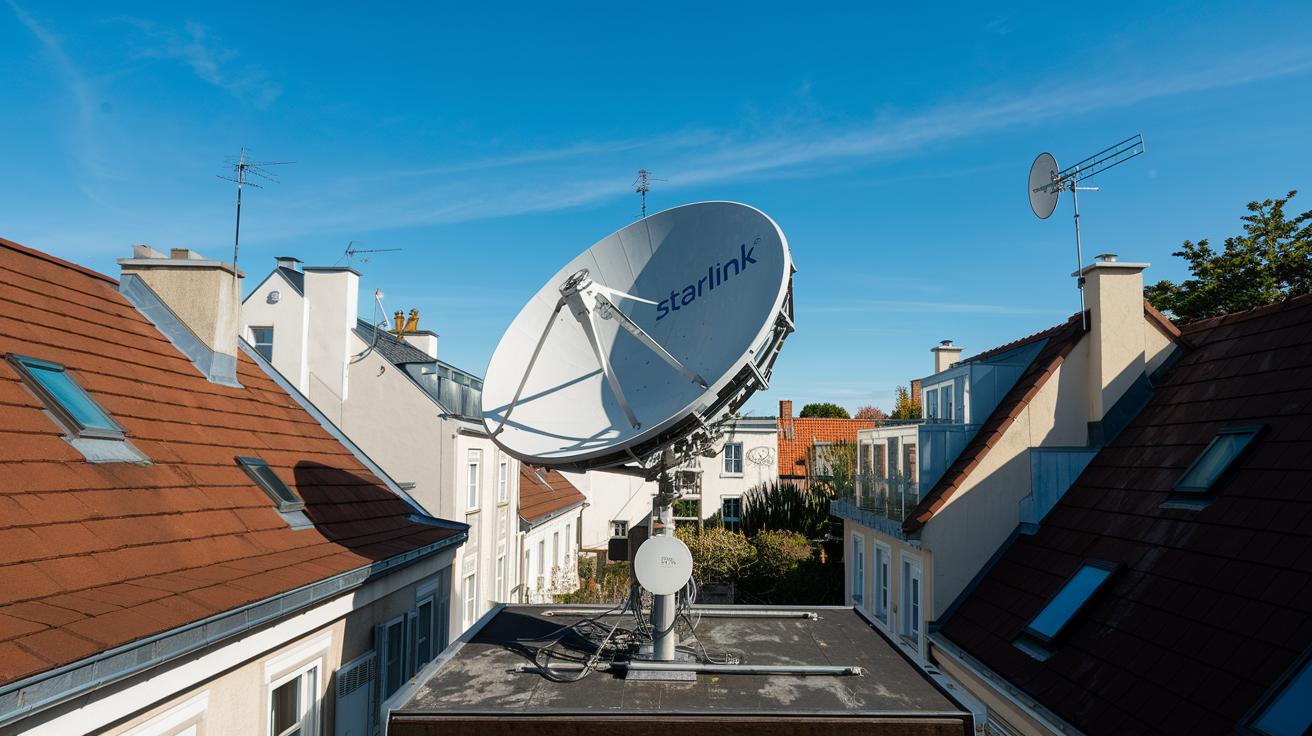
Starlink is operational in several key European countries, offering satellite internet services that bridge connectivity gaps where traditional infrastructure may be lacking. Currently, residents in the United Kingdom, Germany, Spain, and Italy can access Starlink's high-speed, low-latency internet. The integration of Starlink in these countries marks a significant advancement in delivering reliable connectivity to both urban and rural areas. Given the varied geographic and regulatory landscapes across Europe, Starlink's deployment strategy is tailored to meet the unique challenges each market presents while enhancing the digital experience for its users.
- Poland
- Czech Republic
- Hungary
- Romania
- Greece
Despite the successful rollout in certain regions, Starlink's expansion plans face regulatory challenges that must be navigated to increase coverage effectively. Each European country has distinct regulatory frameworks and requirements that Starlink must address to secure permissions for satellite operations. These hurdles require ongoing dialogue with governmental agencies to ensure compliance and facilitate broader access. As the company continues to expand its satellite network, overcoming these regulatory barriers is crucial to achieving Starlink's goal of comprehensive European coverage, especially in Eastern Europe, where additional connectivity is needed.
Starlink's Reach in Asia and Oceania
Starlink's satellite internet service has established a foothold in the Oceania region, with comprehensive coverage in Australia and New Zealand. In these countries, residents benefit from high-speed internet access, particularly in remote and rural areas where traditional broadband services are often lacking. The deployment in Oceania marks a significant step in Starlink's mission to provide globally accessible internet, leveraging low-Earth orbit satellites to deliver reliable connectivity. The service's availability in Asia is currently limited, but it represents a strategic focus for future expansion. As more satellites are launched, Starlink aims to extend its reach to additional Asian countries, addressing the digital divide in these regions.
To achieve its expansion goals, Starlink is investing in the enhancement of both satellite and ground infrastructure. The company plans to increase its satellite constellation, enabling broader coverage and improved service quality. This includes deploying ground stations that serve as critical communication links between the satellites and internet users. These infrastructure enhancements are crucial for supporting the growing demand for internet services in densely populated areas and regions with challenging topographies. By overcoming technical and logistical challenges, Starlink is poised to bring its internet service to new markets in Asia and further solidify its global reach.
How to Check Starlink Availability in Your Area

For those wondering, "Is Starlink available in my area?" the ability to verify service availability is crucial. With its expanding global footprint, Starlink continues to be a viable option for regions lacking traditional internet infrastructure. Ensuring service availability before committing is essential, as it avoids potential frustration and ensures that users can indeed access the high-speed connectivity offered by Starlink.
To check Starlink availability, users should visit the Starlink website, where they can enter their address or specific location details. This process begins by navigating to the availability section of the website. Here, a search bar prompts users to input their precise geographic information. Once entered, the platform provides real-time updates on current service status. Users can see whether their area is covered or if service is planned for the future. This tool is particularly beneficial for residents in remote or underserved locales, allowing them to track when they might gain access to Starlink's services. As the company continues to expand, regularly checking this tool ensures potential customers stay informed about the latest developments in their region.
Starlink's Current and Future Expansion Plans
Starlink is aggressively expanding its satellite internet service with the ambition of achieving global coverage by the end of 2023. The current expansion strategy involves deploying a dense network of low-Earth orbit satellites aimed at providing high-speed internet access to underserved and remote regions. This expansion is fueled by ongoing satellite launches, increasing the constellation's capacity to deliver improved service quality and coverage. Starlink's focus on rapid deployment and scalability is evident in its operational strategy, which prioritizes regions with limited or no access to reliable internet infrastructure. This approach not only enhances connectivity for millions of users but also positions Starlink as a pivotal player in the global telecommunications landscape.
- Africa
- South America
- Asia
- Eastern Europe
- Pacific Islands
As Starlink continues its expansion efforts, it faces several technological and regulatory challenges. Technologically, the company must ensure the reliability and performance of its satellite network amid increasing demand. This involves addressing potential congestion and maintaining low latency as more users come online. On the regulatory front, gaining approvals from national authorities in various regions is a critical hurdle. Each country has unique regulatory frameworks that require careful navigation to secure necessary licenses and permissions for satellite operations. Overcoming these challenges is essential for Starlink to successfully implement its vision of providing universal internet access.
Starlink's Internet Service Features: Speed and Pricing
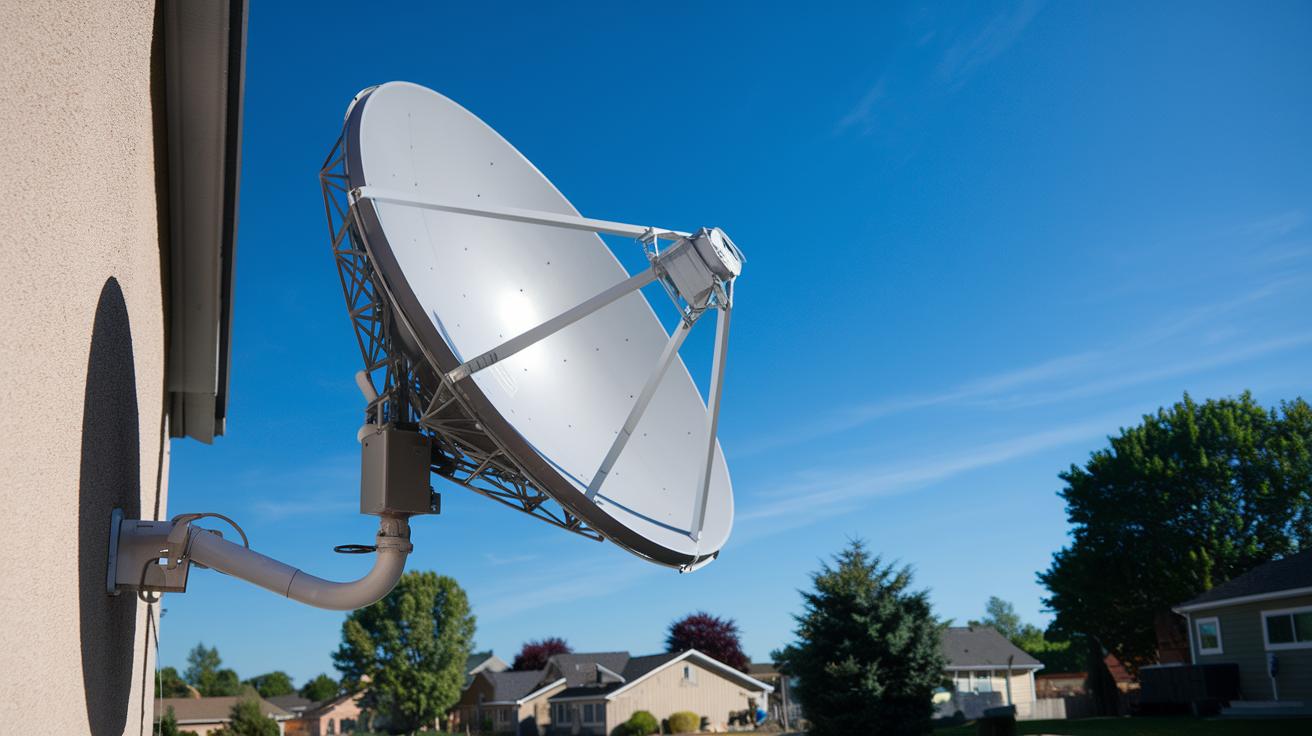
Starlink's internet service is renowned for its impressive speed performance, offering download speeds of up to 220Mbps. This capability places it among the highest-performing satellite internet providers globally. The service's low latency, ranging between 25 to 60 milliseconds, is particularly noteworthy, as it rivals traditional broadband connections. Such low latency is crucial for applications that require real-time data transmission, including online gaming and video conferencing. The robust speed and latency performance are achieved through Starlink's extensive network of low-Earth orbit satellites, which facilitate quick data transmission and minimal signal delay.
Starlink's monthly pricing is set at $120, which includes access to the high-speed internet service. Additionally, there is an initial equipment fee of $499, which covers the cost of the necessary hardware components, including the satellite dish, router, and power supply. For customers, this upfront investment ensures they receive the complete infrastructure required to connect to Starlink's satellite network. While the pricing is higher compared to some traditional internet services, it reflects the advanced technology and expansive coverage that Starlink provides, especially in areas where other options may be limited.
The data plans offered by Starlink include unlimited data usage, which is a significant advantage for users who consume large amounts of data for streaming, downloading, or remote work. However, during peak usage times, users may experience speed throttling to manage network congestion and maintain service quality for all subscribers. This potential limitation is balanced by the overall reliability and speed of the service, making Starlink a compelling choice for consumers in need of consistent and fast internet access, especially in remote or underserved regions.
Exploring Starlink's Suitability for Rural and Remote Areas
Starlink is notably beneficial for rural and remote areas where traditional broadband infrastructure is often inadequate or nonexistent. The satellite-based internet service provides high-speed connectivity with download speeds reaching up to 220Mbps, significantly enhancing internet access in these underserved regions. Its low latency, typically between 25 to 60 milliseconds, is ideal for applications that demand real-time data transfer, such as video conferencing and online gaming. Additionally, Starlink offers unlimited data plans, a critical feature for users in remote locations who rely heavily on internet services for communication, education, and work. The service's ability to deliver consistent and robust internet access without the need for extensive terrestrial infrastructure makes it a transformative solution for rural communities, effectively bridging the digital divide.
While Starlink offers substantial advantages, it also presents limitations compared to traditional ISPs. The service is often more expensive, with a monthly fee of $120 and an initial equipment cost of $499. This pricing may be prohibitive for some users, particularly in regions with lower income levels. Furthermore, while Starlink provides broad coverage, areas designated as "sold-out" may experience delays in service availability due to capacity constraints. Traditional ISPs, when available, might offer more competitive pricing and stable service without latency fluctuations. Despite these challenges, Starlink's innovative approach and technological capabilities provide an essential alternative for rural and remote areas, particularly where other options are insufficient.
| Feature | Rural Benefit |
|---|---|
| High-Speed Internet | Provides up to 220Mbps in areas lacking infrastructure |
| Low Latency | Supports real-time applications like gaming and video calls |
| Unlimited Data | Essential for users relying on internet for work and education |
Starlink's Role in Mobile and On-the-Go Internet Access

Starlink has introduced the Mini and Roam plans specifically designed for mobile internet users, catering to the growing demand for reliable connectivity on the move. The Starlink Mini is a compact version of the standard satellite dish, engineered for portability without compromising on performance. With the Roam plan, users can achieve internet speeds up to 100 mph, ensuring seamless connectivity even when traveling. These plans provide flexibility for travelers, allowing them to access high-speed internet across various locations without the constraints of fixed-line services. The options provided by Starlink are a significant advancement for individuals requiring consistent internet access while exploring remote areas or constantly changing locations.
The practical applications of Starlink's mobile internet offerings are vast, supporting a wide range of activities that require stable and fast connections. For digital nomads, RV travelers, or maritime users, Starlink ensures that business operations, streaming, and communication remain uninterrupted. The ability to stay connected in previously unreachable locations opens up new possibilities for remote work, leisure activities, and emergency communications. By overcoming the limitations of traditional mobile networks, Starlink's mobile internet capabilities offer a robust solution for those who need reliable, high-speed internet access while on the go, thereby enhancing both personal and professional experiences.
Final Words
Starlink is transforming internet accessibility with its presence in over 60 countries, expanding rapidly to fulfill global demand. Services span North America, Europe, Asia, and Oceania, offering high-speed internet to urban and remote areas alike. The Starlink availability map is instrumental for users to pinpoint regions covered and those slated for future service.
Checking "where is Starlink available" and planning for its rollout is straightforward through their official platform. As satellite technology continues to evolve, expanded reach promises substantial connectivity improvements across underserved regions, making a positive impact worldwide.
FAQ
Where is Starlink internet currently available?
Starlink internet is available in over 60 countries, including all US states, Canada, Australia, and many European nations. Users can visit the Starlink website to check local availability in their specific area.
Is Starlink faster than 5G?
Starlink offers speeds up to 220Mbps with latency ranging from 25-60 ms. While fast, 5G can potentially exceed these speeds in ideal conditions, depending on network infrastructure and location.
How much does Starlink cost per month?
Starlink's monthly service costs $120 plus a one-time $499 equipment fee. The plan includes unlimited data, though speeds may be throttled during peak usage periods.
What is the downside of Starlink?
Despite high-speed access, Starlink incurs higher costs compared to traditional ISPs. Service might also face interruptions in extreme weather and congestion in high-demand areas.