

When will the Starship next grace the skies with its launch? As enthusiasts and industry insiders ponder this question, significant updates from SpaceX offer promising insights. Scheduled launch dates pepper early 2025 with critical opportunities for observation, offering both excitement and anticipation. Between February 3 and February 19, key dates stand out, poised to mark the continuation of SpaceX's ambitious journey. Furthermore, recent hints by Elon Musk suggest that Flight 8 could launch sooner than the anticipated February 24, 2025 date. Dive into the details of these upcoming launches and the developments that might accelerate timelines.
Discover the Next Starship Launch Date
The Starship program is gearing up for several potential launch dates in early 2025. Significant dates on SpaceX's launch schedule include February 3, February 9, February 10, February 13, February 16, and February 19. These dates indicate an ambitious plan to execute multiple launches, showcasing SpaceX's commitment to advancing its space exploration goals. These scheduled launches are crucial for testing new technologies and validating the latest Starship configurations.
- February 3, 2025
- February 9, 2025
- February 10, 2025
- February 13, 2025
- February 16, 2025
Elon Musk has hinted that the eagerly anticipated Flight 8 could take place sooner than initially projected, possibly before February 24, 2025. This optimism is fueled by the successful completion of static fire tests for Booster 15 (B15) and Ship 34 (S34). While these preparations signal readiness for an earlier launch, regulatory approvals from the FAA remain a critical factor that could influence the actual launch timeline. This anticipation underscores the dynamic nature of the program, as SpaceX continues to push the boundaries of space technology.
Understanding SpaceX's Launch Schedule
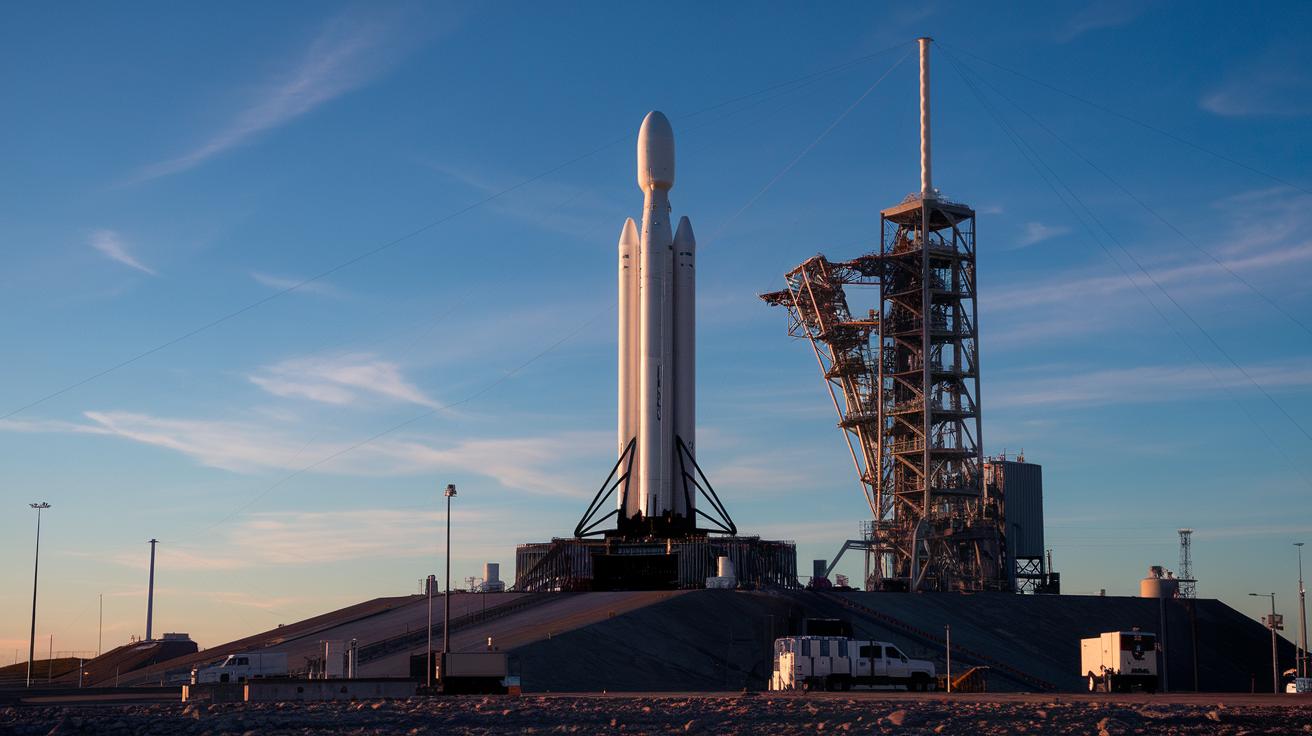
SpaceX's ambitious plan for 2024 includes a target of 25 launches. Achieving this goal presents significant challenges due to the frequency required for successful execution. The Starship program, in particular, demands precise coordination and timing as each launch plays a crucial role in advancing space exploration goals. Achieving the target of 25 launches would demonstrate a monumental leap in capability, but it also underscores the potential for scheduling conflicts and technical hurdles that may arise. The complexity of managing multiple launches simultaneously adds additional layers of logistical and operational demands, making the pursuit of this target a formidable task.
The broader space industry is witnessing a rapid acceleration in launch activities, as evidenced by recent Falcon 9 and Electron launches. These events highlight the dynamic pace at which global launch capabilities are evolving. For enthusiasts and stakeholders eager to stay informed, platforms such as NSF Starbase Live provide real-time updates and discussions on SpaceX's progress. This accessibility to live feeds and expert commentary ensures that the public can engage directly with developments as they unfold, fostering a more informed community on the forefront of space exploration.
| Launch Type | Scheduled Date | Status |
|---|---|---|
| Falcon 9 | February 18, 2024 | Completed |
| Starship | February 3, 2025 | Scheduled |
| Starship | February 9, 2025 | Scheduled |
| Starship | February 10, 2025 | Scheduled |
| Electron | February 18, 2024 | Completed |
Boca Chica Launch Site: Preparing for Starship
At the Boca Chica launch site, significant developments are underway to bolster SpaceX's capability for upcoming Starship launches. The construction of a second launch pad at Starbase marks a pivotal step in expanding launch operations. This new pad is designed to accommodate the increasing frequency and scale of SpaceX’s missions. Parallel efforts at Cape Canaveral are focused on enhancing infrastructure and operational readiness, ensuring that both sites can support the ambitious launch schedule set for the near future. These efforts collectively aim to streamline the launch process and reduce turnaround times between missions, thereby increasing efficiency.
- New launch pad construction at Starbase
- Enhanced ground systems for rapid turnaround
- Upgraded fueling infrastructure
- Advanced telemetry and tracking systems
These infrastructure improvements are significant as they directly influence SpaceX's ability to meet its projected launch cadence. By expanding facilities and optimizing ground systems, SpaceX is positioning itself to handle a higher volume of launches, which is crucial for the sustained development of the Starship program. The success of these preparations will enable more frequent test flights and propel the program towards achieving its long-term objectives, such as deep space exploration and potential Mars colonization.
Starship Test Launch Timeline and Objectives

Flight 7 of SpaceX's Starship test program aimed to achieve four primary objectives, focusing on both performance and design validation. The mission partially succeeded with a successful booster catch, demonstrating the reliability of SpaceX's recovery techniques. However, the Block 2 ship design validation was only partially accomplished due to an unplanned Rapid Unscheduled Disassembly (RUD) event. Additionally, the mission did not complete the satellite deployment and heat shield tests as intended, indicating the need for further refinement in upcoming tests. These outcomes highlight the iterative nature of spaceflight development, where each test provides valuable data to improve future designs.
Flight 8 is poised to address the objectives that remained incomplete from Flight 7 while introducing new elements to the test program. The primary goals include a comprehensive evaluation of the new heat shield designs, which are critical for ensuring thermal protection during re-entry. Another key objective is the validation of enhanced structural components to withstand the intense conditions of space travel. The mission also aims to refine the satellite deployment mechanism, ensuring reliable operation in future orbital missions. As preparations for Flight 8 continue, the integration of Booster 15 and Ship 34 with Raptor engines underscores the detailed engineering efforts required to advance the Starship program.
The ongoing development of the Starship necessitates the completion of several critical tests and objectives. The new heat shield designs, in particular, require thorough testing to confirm their effectiveness in shielding the spacecraft from extreme heat. Similarly, the structural enhancements and satellite deployment mechanisms must be rigorously evaluated to ensure mission success. These tests are essential for validating the spacecraft's readiness for more complex missions, including those targeting deep space exploration and eventual Mars colonization. Through meticulous testing and iterative improvements, SpaceX aims to refine the Starship's capabilities, paving the way for its pivotal role in future space missions.
Elon Musk's Announcements on Starship Developments
Elon Musk has recently shared exciting updates about the Starship program, revealing that the next launch could occur sooner than initially expected, possibly before February 24, 2025. This optimism stems from the successful completion of static fire tests for Booster 15 (B15) and Ship 34 (S34), which indicate a high level of readiness in the engineering teams. Musk's announcements have sparked enthusiasm within the aerospace community, as these developments suggest that SpaceX is on track to meet its ambitious timeline, provided the necessary regulatory approvals are secured.
- Successful static fire tests for B15 and S34
- Enhanced Raptor engine performance
- Improved heat shield technology
Despite the technical progress, regulatory challenges remain a significant hurdle for SpaceX. The Federal Aviation Administration (FAA) approvals are essential for proceeding with the launch schedule, and obtaining them can be a complex and time-consuming process. These regulatory requirements are designed to ensure safety and compliance with environmental standards, which are critical given the scale and scope of the Starship missions. As SpaceX continues to work closely with regulatory bodies, overcoming these challenges will be key to maintaining the momentum and achieving the targeted launch dates.
Live Launch Broadcasts and Viewing Options
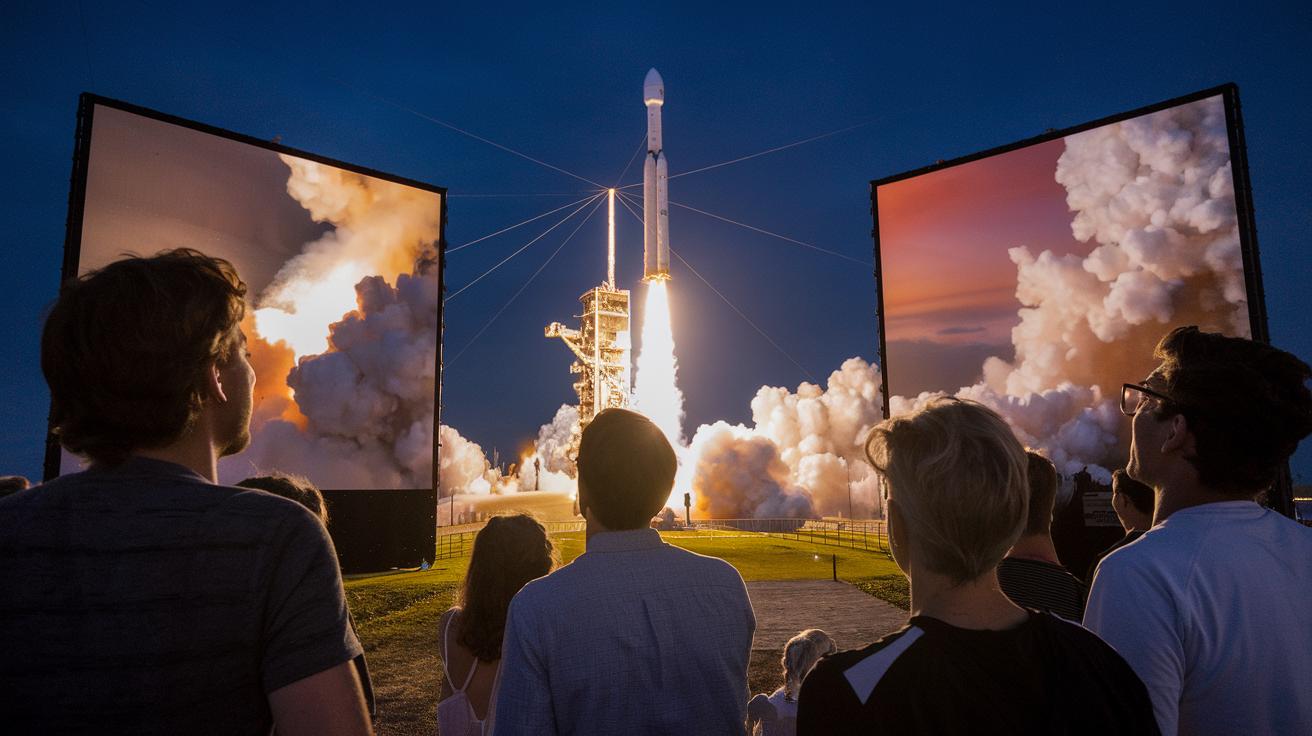
For those eager to witness the next Starship launch live, NSF Starbase Live is a prominent platform providing continuous updates and discussions about the Starship program's progress. This channel offers real-time coverage of launches, along with expert commentary and insights into SpaceX's latest developments. Besides NSF Starbase Live, other popular live stream platforms like YouTube and SpaceX's official website also broadcast these events, allowing viewers worldwide to experience the excitement as it unfolds.
Space enthusiasts interested in public viewing can participate by visiting designated locations near the launch site, where they can gather to watch the event in person. These viewing areas provide a unique opportunity for fans to share the launch experience with others passionate about space exploration. Additionally, SpaceX occasionally hosts public events where enthusiasts can engage with the community and gain a firsthand perspective on the launch preparations and execution. Engaging in these events allows participants to be part of the broader space exploration dialogue and fosters a shared enthusiasm for the incredible advancements in space technology.
Analyzing Launch Delay Reasons
SpaceX's ambitious target of conducting 25 launches within a year presents formidable challenges, primarily due to the sheer frequency required. The logistical complexity of managing such a high volume of launches necessitates precise scheduling and coordination across multiple teams and facilities. Each launch involves intricate preparation, from assembling and testing the spacecraft to ensuring that all systems are functioning optimally. The need to maintain a rapid cadence can lead to scheduling conflicts and resource constraints, as the same infrastructure and personnel may be required simultaneously for different missions. These factors underscore the difficulty of adhering to an aggressive launch schedule while maintaining the high standards of safety and reliability expected in space exploration.
- Technical malfunctions during pre-launch tests
- Weather conditions affecting launch windows
- Supply chain delays impacting critical components
Regulatory and technical obstacles further contribute to potential launch delays. Securing Federal Aviation Administration (FAA) approvals is a significant regulatory requirement that can impact timelines. These approvals are essential to ensure compliance with safety and environmental standards, particularly given the scale of SpaceX's operations. Technical challenges, such as addressing malfunctions identified during pre-launch tests, can also delay the timeline. These issues require meticulous troubleshooting and solution implementation, which can be time-consuming. Balancing the need for thorough technical validation with the pressure to meet ambitious launch targets is a delicate task that SpaceX must navigate to achieve its space exploration goals.
Starship's Role in Future Space Missions
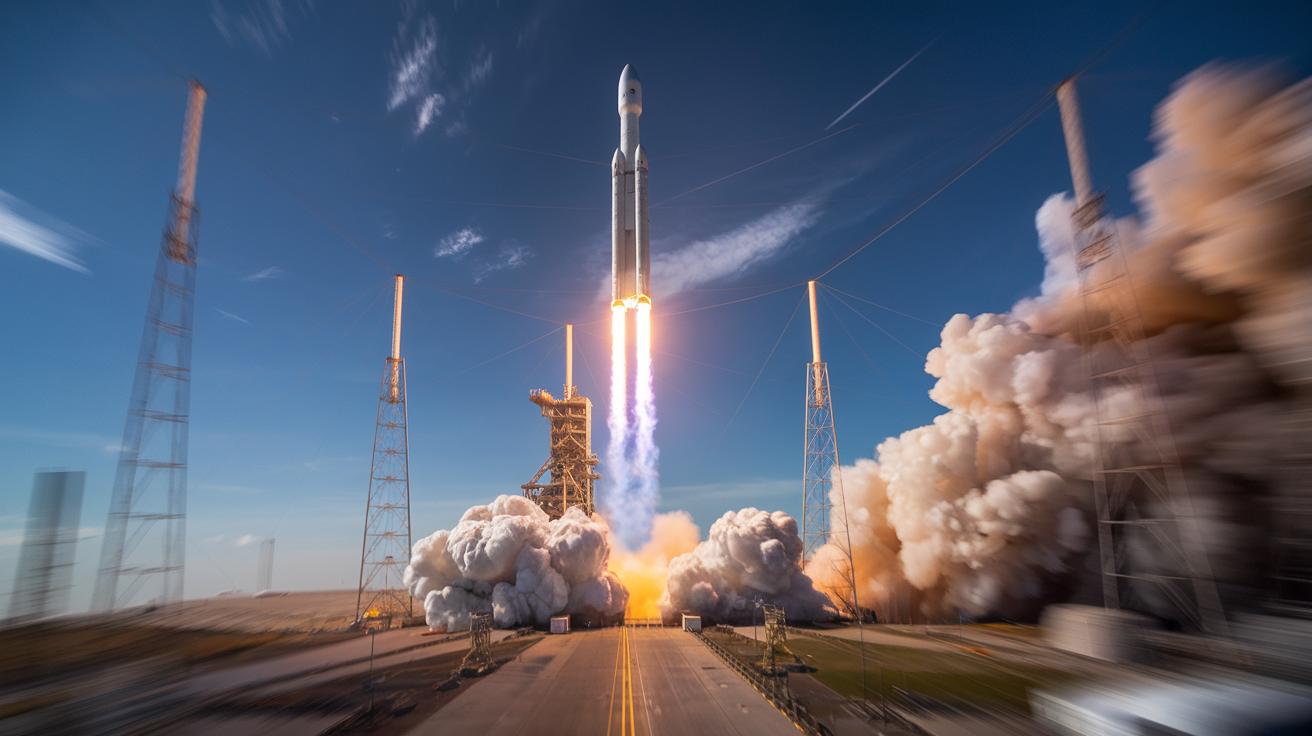
SpaceX's ambitious vision extends far beyond Earth, with the Starship program at the forefront of these expansive space exploration goals. At the heart of SpaceX's long-term strategy is the development of a fully reusable spacecraft capable of transporting humans and cargo to a range of destinations across the solar system. The Starship is designed to revolutionize space travel by significantly reducing the cost per flight and enabling a new era of frequent and sustainable missions. This capability is essential for achieving broader objectives such as establishing a sustained human presence on other celestial bodies.
Mars colonization represents one of the most audacious goals within SpaceX's strategic framework. The Starship's design and engineering are tailored to support interplanetary travel, with Mars as a primary target. This focus on Mars is driven by the planet's potential to support human life, given its similarities to Earth in terms of day length and the presence of polar ice caps. The vision for Mars colonization includes creating a self-sustaining city with resources such as water, food, and shelter produced locally. Starship's ability to transport large payloads and humans efficiently is crucial for the logistics of establishing such a colony and ensuring its long-term viability.
In achieving these ambitious goals, the Starship program plays a pivotal role. The spacecraft's unique capabilities are designed to meet the demands of interplanetary travel and support missions that extend humanity's reach into space. As SpaceX continues to iterate and refine Starship's design through rigorous testing and development, it positions itself as a leader in space exploration. The successful deployment of Starship will not only facilitate Mars colonization but also open up a plethora of opportunities for scientific research, resource utilization, and even commercial space ventures, marking a significant leap forward in humanity's quest to explore the cosmos.
Understanding Reusable Rocket Technology
Reusable rocket technology represents a paradigm shift in how space missions are conducted, significantly lowering costs and increasing the frequency of launches. By designing rockets that can be launched, landed, and relaunched multiple times, SpaceX aims to transform space exploration into a more sustainable and scalable endeavor. This approach not only reduces the cost per mission but also accelerates the pace of technological advancements, allowing for rapid iteration and development. The Starship, with its fully reusable architecture, exemplifies this innovative approach, aiming to support missions to the Moon, Mars, and beyond, with increased efficiency and reduced environmental impact.
- Successful test-fire of the Starship megarocket
- Super Heavy booster static fire tests
- Enhanced Raptor engine performance
The benefits of reusable rocket technology extend to supporting frequent and cost-effective launches, vital for ambitious goals such as Mars colonization. By reusing key components like the Starship and its boosters, SpaceX can significantly cut down on the manufacturing costs and lead times associated with each launch. This capability allows for more frequent missions, facilitating continuous research, exploration, and eventual human settlement on other planets. As SpaceX continues to refine its reusable systems, the potential for a new era of accessible space travel becomes increasingly tangible, marking a transformative period in the space industry.
SpaceX's Starship Launch History

SpaceX's Starship program has charted a remarkable trajectory, marking significant milestones in the pursuit of advanced space travel. When did the Starship program begin? SpaceX initiated its developmental phases with early prototypes like Starhopper in 2019, which paved the way for more sophisticated iterations. In December 2020, Starship SN8 executed a high-altitude flight reaching approximately 12.5 kilometers, although it concluded with a fiery landing. What was a pivotal moment in Starship's testing? The successful flight and landing of SN15 in May 2021 demonstrated notable progress in vehicle design and reliability. These milestones collectively signify the iterative advancements that underpin the Starship initiative.
- Starhopper – Initial prototype test flights in 2019
- SN8 – High-altitude flight in December 2020
- SN15 – Successful flight and landing in May 2021
- SN20 – Orbital launch attempt in 2022
How is the Starship program evolving? The program continues to evolve through rigorous testing and enhancements in infrastructure at launch sites such as Boca Chica and Cape Canaveral. These advancements aim to support a broader array of missions, from orbital launches to potential lunar and Martian expeditions. What are the future prospects for Starship? With ongoing developments, SpaceX envisions Starship as a cornerstone of interplanetary travel, capable of carrying humans and cargo beyond Earth, thereby setting the stage for unprecedented exploration and colonization efforts.
Final Words
Starship's next launch, potentially earlier than February 24, 2025, adds excitement to SpaceX's ambitious schedule. Understanding the broader SpaceX launch context reveals both targets and challenges, with Boca Chica making strides in infrastructure preparedness. Starship test objectives emphasize advancing design and technology, while Elon Musk's updates highlight swift progress and regulatory complexities.
Opportunities for public engagement through live broadcasts enrich the launch experience, despite delay factors. Starship's future role in space missions underscores its significance in expanding space exploration goals. As reusable rocket technology advances, enthusiasts anticipate the unfolding Starship story and its impact on future space missions.
FAQ
When is the next Starship launch?
The next Starship launch is scheduled between February 3 and February 19, 2025. Elon Musk suggested Flight 8 could happen before February 24, 2025.
What is the SpaceX launch schedule for the upcoming year?
SpaceX plans 25 launches this year, focusing on Falcon 9 and Electron missions. Meeting this target could prove challenging due to technical and regulatory hurdles.
How can I watch a Starship launch live?
Live broadcasts of Starship launches are available on NSF Starbase Live and other streaming platforms, offering updates and discussions.
What preparations are underway at the Boca Chica launch site?
Boca Chica is building a second launch pad and improving infrastructure for Starship missions. These developments support increased launch frequency.
What were the objectives of the recent Starship test launches?
The recent test launches focused on booster recovery and validating the Block 2 ship design. Improving heat shield durability remains a key objective.
What has Elon Musk announced regarding Starship's development?
Elon Musk expressed optimism for late February 2025 launches, following successful static fire tests. The company faces FAA regulatory challenges.
Why do launches often face delays?
Launches may be delayed due to technical issues, regulatory approvals, and meeting the target of 25 annual launches. These factors create scheduling uncertainties.
How does reusable rocket technology benefit SpaceX?
Reusable rocket technology, including recent test developments, ensures cost-effective launches and frequent mission capabilities, supporting long-term space exploration goals.
What is Starship’s role in future space missions?
Starship is crucial for missions aimed at Mars colonization and fulfilling comprehensive space exploration goals, aligning with SpaceX's vision for humanity's multiplanetary future.
Can you provide a brief history of the Starship program?
Starship's development includes key milestones and significant past launches, driving infrastructure advancements and shaping future prospects for space exploration.